
Views: 213 Author: Vera Publish Time: 2026-09-24 Origin: Site


Content Menu
● What Are Dark Spots and Hyperpigmentation?
● The Main Causes of Dark Spots on the Face
>> 1. Sun Exposure and Cumulative Photodamage
>> 2. Hormonal Changes and Melasma
>> 3. Post-Inflammatory Hyperpigmentation After Acne or Irritation
>> 4. Heat, Friction, and Overly Aggressive Skincare
● Dark Spots, Melasma, and Acne Marks: A Practical Comparison
● A Step-by-Step Routine for Preventing New Dark Spots
>> Step 1: Cleanse Without Stripping the Skin
>> Step 2: Add One Targeted Brightening Ingredient
>> Step 3: Moisturize to Support the Skin Barrier
>> Step 4: Use Broad-Spectrum Sunscreen Every Morning
● Common Mistakes That Can Keep Dark Spots Visible
>> Chasing Fast Results With Harsh Products
>> Treating the Mark but Ignoring the Cause
>> Using Sunscreen Only on Sunny Days
>> Picking Pimples or Scratching Healing Skin
>> Choosing Procedures Without a Personalized Plan
● When to See a Dermatologist About Dark Spots
● Building a Better Dark-Spot Product Strategy
>> 1. Can dark spots on the face fade naturally?
>> 2. Are acne marks the same as acne scars?
>> 3. What is the most important product for preventing dark spots?
>> 4. Does vitamin C help with dark spots?
>> 5. Can melasma be permanently cured?
>> 6. Should I exfoliate dark spots every day?
>> 7. Why do my dark spots get darker after using a new product?
● Create a Smarter Brightening Skincare Range
Dark spots on the face can come from sun exposure, hormonal changes, acne, irritation, or skin injury. The most effective approach is not a single "brightening" product—it is a consistent routine that prevents new pigment from forming, reduces inflammation, and supports gradual, well-tolerated fading of existing discoloration.
Facial hyperpigmentation is common across all skin tones, but it can be more frequent, persistent, and emotionally frustrating in deeper skin tones. A mark left after one breakout, a patch that became more visible during pregnancy, or brown spots that accumulate after years outdoors may look similar at first glance, yet their triggers—and the best next steps—can differ.
This guide explains the most common causes of dark spots on the face, practical prevention habits, ingredient-selection principles, and the warning signs that mean a dermatologist should assess a spot in person.
> Important: This article is for general educational purposes and does not diagnose skin conditions. A new, changing, irregular, bleeding, or unusually dark spot should be assessed by a qualified medical professional.

Dark spots are areas of skin that contain more visible pigment than the surrounding complexion. The broader clinical term is hyperpigmentation.
Melanin is the natural pigment responsible for skin, hair, and eye color. It is produced by specialized skin cells called melanocytes. Melanin also helps absorb and redistribute some ultraviolet energy. However, when the skin experiences repeated ultraviolet exposure, heat, inflammation, hormonal shifts, or injury, melanin production and distribution may become uneven.
The result may be:
- Flat brown, tan, gray-brown, red-brown, or blackish marks
- Small, isolated spots or larger patches
- Marks that follow acne, eczema, irritation, scratches, or procedures
- Symmetrical patches across the cheeks, forehead, upper lip, nose, or jawline
- Spots concentrated on frequently exposed areas, such as the cheeks, temples, forehead, hands, and shoulders
Not every dark mark has the same cause. Correctly identifying the likely trigger helps determine whether to focus on sun protection, acne control, a gentle brightening routine, professional treatment, or medical evaluation.
Sun exposure is one of the most important drivers of visible facial pigmentation. Ultraviolet radiation can stimulate melanocytes to produce more melanin, making existing spots darker and encouraging new discoloration to appear.
This process is cumulative. A person may not notice a problem after one afternoon outside, but years of incidental exposure—commuting, walking near windows, outdoor work, driving, travel, and recreation—can gradually contribute to uneven tone.
Common sun-related marks include:
- Sun spots: Flat tan-to-brown marks on frequently exposed skin
- Age spots: Often called liver spots, although they are unrelated to the liver
- Freckles: Small, genetically influenced pigmented spots that darken with sun exposure
- Worsened melasma: Existing patches may deepen after sunlight exposure
A daily sun-protection habit is therefore not optional if the goal is to reduce the appearance of hyperpigmentation. Brightening ingredients may help, but unprotected exposure can counteract progress.
Melasma is a common form of hyperpigmentation that typically appears as symmetrical brown or gray-brown patches on the face. It is often associated with hormonal changes, including pregnancy, hormonal contraception, hormone therapy, and individual hormonal sensitivity.
Typical melasma locations include:
- Forehead
- Cheeks
- Bridge of the nose
- Upper lip
- Chin
- Jawline
Many people know melasma as the "mask of pregnancy," but it can affect people who are not pregnant and can recur after fading. Sunlight is a major aggravating factor, and visible light may also worsen pigmentation in some people, particularly those with deeper skin tones.
For melasma-prone skin, a broad-spectrum sunscreen with SPF 30 or higher is a foundational daily product. Tinted sunscreens containing iron oxides can be especially useful because they may help protect against visible-light-associated darkening while also providing complexion coverage. [aad]
Post-inflammatory hyperpigmentation, often shortened to PIH, appears after the skin has been inflamed or injured. Acne is one of the most common triggers, but PIH may also follow:
- Eczema or dermatitis flares
- Allergic reactions
- Insect bites
- Cuts, burns, or scratches
- Aggressive exfoliation
- Improper use of strong acids or retinoids
- Some laser, peel, or energy-based procedures
The mark is not necessarily a scar. A flat brown, gray-brown, red, purple, or black mark after a pimple may be residual discoloration rather than a textural acne scar.
Picking, squeezing, or scratching acne can make the inflammatory response worse. That increases the likelihood that a dark mark will form and may make the discoloration more persistent. PIH is especially common in darker skin types, and it can be prolonged when the skin remains exposed to sunlight or repeated irritation. [jaad]30128-7/fulltext)
Pigment-prone skin can react to more than direct sunlight. Heat exposure, friction, and irritation may contribute to discoloration or make existing spots look darker.
Potential contributors include:
- Frequent heat exposure, including very hot environments
- Rubbing the face with towels or cleansing tools
- Scrubs with rough particles
- Strong exfoliating acids used too often
- Layering multiple potent actives without a tolerance plan
- Fragranced products that sting or trigger sensitivity
- Incorrectly performed procedures
This does not mean all exfoliation is harmful. It means that intensity, frequency, formulation, and individual skin tolerance matter. When a routine causes persistent burning, redness, peeling, or stinging, it may be working against the goal of a more even-looking complexion.
| Type of discoloration | Common trigger | Typical appearance | Main first priority |
|---|---|---|---|
| Sun spots or age spots | Years of ultraviolet exposure | Distinct tan or brown spots on exposed areas | Consistent broad-spectrum sun protection |
| Melasma | Hormonal influence plus sun and visible light | Symmetrical brown or gray-brown facial patches | Daily high-protection sunscreen and gentle long-term care |
| Post-inflammatory hyperpigmentation | Acne, eczema, injury, irritation, procedures | Flat marks where inflammation occurred | Treat the original inflammation and avoid further irritation |
| Freckles | Genetics plus sun exposure | Small, scattered spots that darken with sun | Daily UV protection |
| Suspicious pigmented lesion | Multiple possible causes | Changing, irregular, bleeding, multicolored, or unusually dark spot | Prompt professional evaluation |
A good hyperpigmentation routine should be effective enough to support visible improvement, yet gentle enough that it does not create more inflammation.
Use a cleanser suited to your skin type. The goal is to remove sunscreen, makeup, excess oil, and daily buildup without leaving the skin tight, burning, or excessively dry.
For blemish-prone skin, an acne-focused cleanser or treatment may be appropriate, but avoid escalating too many active products simultaneously. When acne remains active, controlling breakouts is often essential for preventing future PIH.
Choose one main treatment category first. Consistency matters more than using every active ingredient at once.
Common ingredient options include:
| Ingredient category | How it may support uneven tone | Important use consideration |
|---|---|---|
| Vitamin C | Antioxidant support and a more radiant appearance | Start with a stable, well-tolerated formula |
| Niacinamide | Supports the skin barrier and may help improve the look of uneven tone | Useful for sensitive or barrier-compromised routines |
| Azelaic acid | Often used for acne-prone, redness-prone, and pigment-prone skin | Introduce gradually if skin is reactive |
| Retinoids | Support cell turnover and acne management | Can irritate skin when overused; introduce slowly |
| Hydroquinone | A dermatologist-guided depigmenting option in appropriate cases | Use under professional direction where indicated |
| Gentle exfoliating acids | Can improve surface dullness and uneven texture | Overuse can trigger irritation and worsening pigmentation |
A routine does not become better simply because it contains more active ingredients. In fact, combining a retinoid, strong acids, abrasive scrubs, and high-strength vitamin C without a thoughtful schedule can provoke irritation.
Start low, go slow, and observe your skin. If persistent burning, rash-like redness, itching, or peeling occurs, pause the suspected product and seek professional advice if symptoms continue.
A well-functioning skin barrier can help skin tolerate treatment products more comfortably. Use a moisturizer that fits your skin type and does not cause congestion or stinging.
Barrier-supportive routines are particularly important for people using acne treatments, retinoids, exfoliating acids, or pigment-correcting products.
For dark-spot prevention, daily sunscreen is the most important non-negotiable step.
Look for:
- Broad-spectrum protection for UVA and UVB exposure
- SPF 30 or higher
- Water resistance when sweating, swimming, or spending time outdoors
- A comfortable texture that you will actually apply consistently
- A tinted, iron-oxide-containing option if melasma or visible-light-triggered darkening is a concern
Apply sunscreen to all exposed skin, including the face, ears, neck, and upper chest when uncovered. Apply it before heading outdoors and reapply according to the label, especially after swimming, sweating, or extended outdoor time.
Dermatology guidance commonly recommends broad-spectrum, water-resistant SPF 30 or higher. For melasma, dermatologists often recommend formulas containing zinc oxide, titanium dioxide, and iron oxides. [aad]
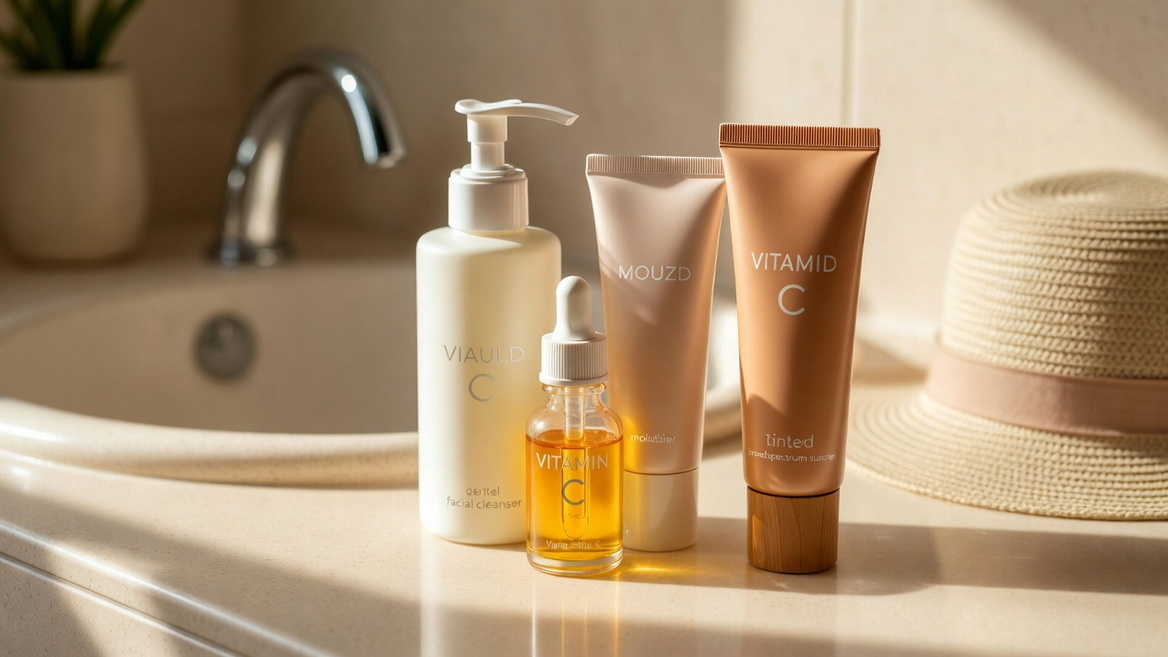
Hyperpigmentation often fades slowly. Trying to force rapid change with excessive peeling, frequent scrubbing, or too many active ingredients may trigger inflammation. In pigment-prone skin, inflammation can become part of the problem.
If acne continues to flare, new dark marks may form faster than older marks fade. If melasma is repeatedly exposed to strong sun or visible light, a brightening serum alone is unlikely to deliver stable results.
A better approach is to ask: What is still creating new pigment?
Ultraviolet exposure is not limited to beach days. Daily incidental exposure can still matter, especially when treating discoloration. Make sunscreen a morning habit rather than a weather-dependent product.
Acne picking can extend inflammation, increase discoloration risk, and raise the chance of scarring. Treat breakouts early and gently instead of attempting to remove them mechanically.
Chemical peels, lasers, intense pulsed light, and other procedures can be helpful in selected cases. However, procedures can also aggravate pigmentation if they are too aggressive, poorly matched to the individual, or performed without careful aftercare.
This is especially relevant for PIH and deeper skin tones. A clinician experienced with pigmentary concerns should evaluate the skin type, diagnosis, history of sensitivity, active inflammation, and realistic treatment plan before proceeding. [jaad]30128-7/fulltext)
Many dark spots are harmless, but some need professional assessment. Schedule an appointment promptly if a spot is:
- New and rapidly changing
- Black, very dark, or different from your other spots
- Growing in size
- Irregular at the border
- Multicolored
- Raised, crusted, painful, itchy, bleeding, or not healing
- Appearing without an obvious trigger
- Not responding despite consistent, gentle care
A dermatologist can distinguish between common hyperpigmentation concerns and lesions that require medical investigation. Mayo Clinic specifically advises medical assessment for spots that are black or changing in appearance, as changes can be signs of melanoma. [mayoclinic]
For skincare brands, dark-spot products should be developed around more than a fashionable ingredient list. Product success depends on the relationship between active selection, formula stability, skin tolerance, packaging, consumer instructions, and intended market requirements.
A well-designed brightening product line may include:
- A gentle daily cleanser for acne-prone or sensitive skin
- A targeted serum with a stable antioxidant or pigment-supporting active
- A barrier-supporting moisturizer
- A broad-spectrum sunscreen suitable for frequent reapplication
- A tinted sunscreen option for consumers concerned about visible-light-associated darkening
- Clear usage instructions that discourage over-exfoliation and improper mixing of strong actives
At GUANGZHOU LAIMEI CREATIVE RESEARCH INTELLIGENT BIOLOGICAL RESEARCH CO., LTD., product development can be supported from concept to finished production. With 13 years of skincare and cosmetic manufacturing experience, a 20,000 m² GMP-standard production base, annual capacity exceeding 50 million units, and support for both small-batch trials and larger-scale delivery, the company provides OEM/ODM solutions for skincare brands seeking customized formulas, packaging, and manufacturing support.
Its development capabilities span formula research, efficacy-oriented product development, packaging design, and production for categories such as cleansers, serums, moisturizers, and masks. For brands building a hyperpigmentation-focused range, the priority should be a skin-tolerant, compliant, clearly positioned routine, not exaggerated claims or unnecessarily harsh formulations.
Some dark spots, especially post-inflammatory marks after acne or minor irritation, may gradually fade over time. However, the process can take months and may be prolonged by sun exposure, ongoing acne, repeated irritation, or inconsistent sunscreen use.
No. Flat red, purple, brown, or dark marks after acne are often post-inflammatory discoloration. Acne scars usually involve a change in texture, such as depressions, raised areas, or uneven skin surface. A dermatologist can help distinguish between them.
Broad-spectrum sunscreen is the most important daily product for preventing sun-related darkening and helping protect progress from brightening treatments. Choose SPF 30 or higher and apply it consistently.
Topical vitamin C is commonly used in routines designed to improve the appearance of uneven tone and dullness. Its results depend on formula quality, stability, consistent use, sun protection, and whether the skin tolerates the product without irritation.
Melasma can often be improved, but it may recur because it is influenced by multiple factors, including sunlight, visible light, hormonal changes, and individual predisposition. Long-term management usually includes ongoing sun protection and a personalized treatment plan.
Not necessarily. Daily aggressive exfoliation can irritate the skin and worsen hyperpigmentation. The right frequency depends on the formula, your skin type, other active ingredients in your routine, and how your skin responds.
A product may be irritating your skin, triggering inflammation that can worsen discoloration. Stop using the product if you experience persistent burning, severe redness, rash, swelling, or peeling, and seek professional guidance if needed.
A successful dark-spot skincare range should help consumers protect their skin while supporting a more even-looking complexion through consistent, comfortable use. Build your product concept around gentle cleansing, evidence-informed brightening actives, barrier support, and dependable daily sun protection.
Partner with GUANGZHOU LAIMEI CREATIVE RESEARCH INTELLIGENT BIOLOGICAL RESEARCH CO., LTD. to develop customized brightening serums, moisturizers, cleansers, masks, and sun-care concepts for your market. From formula development and packaging design to GMP-standard production and scalable fulfillment, we help global beauty brands turn a differentiated skincare idea into a market-ready OEM/ODM product line.
1. [Eminence Organic Skin Care — 3 Top Reasons You Have Dark Spots on Your Face]
2. [American Academy of Dermatology — Melasma: Diagnosis and Treatment]
3. [American Academy of Dermatology — Sunscreen FAQs]
4. [American Academy of Dermatology — Melasma: Self-Care]
5. [U.S. Food and Drug Administration — Sunscreen: How to Help Protect Your Skin from the Sun]
6. [DermNet — Postinflammatory Hyperpigmentation]
7. [Mayo Clinic — Age Spots: Symptoms and Causes]
8. [Journal of the American Academy of Dermatology — Postinflammatory Hyperpigmentation: A Comprehensive Overview]30128-7/fulltext)
9. [PMC — Acne-Induced Post-Inflammatory Hyperpigmentation]
10. [PMC — Melasma: The Need for Tailored Photoprotection to Improve Clinical Outcomes]


