
Views: 243 Author: Vera Publish Time: 2026-09-07 Origin: Site


Content Menu
● What Is Patchouli Essential Oil?
● Patchouli Essential Oil and Modern Beauty Trends
● Understanding Patchouli Essential Oil Composition
● Patchouli Essential Oil Benefits for Skincare and Body Care
>> A Rich and Long-Lasting Aroma
>> Versatile Product Development Potential
● How Patchouli Essential Oil Should Be Used in Cosmetic Formulas
>> Product Formulation Considerations
>> Patchouli Body Oil Formulation
>> Patchouli Body Lotion Formulation
>> Patchouli Shower Gel Formulation
● Patchouli Essential Oil Safety and Consumer Guidance
>> Responsible Product Development Practices
● How to Create a Modern Patchouli Skincare Collection
>> Concept One: Earthy Botanical Body Care
>> Concept Two: Spa-Inspired Massage and Wellness Range
>> Concept Three: Gender-Neutral Grooming and Personal Care
● Custom Patchouli Skincare Manufacturing Solutions
>> Research and Development Strength
>> Flexible Production Capacity
>> What does patchouli essential oil smell like?
>> Is patchouli essential oil suitable for body lotion?
>> Can patchouli essential oil be used in facial skincare?
>> Can patchouli essential oil be applied directly to the skin?
>> What products can be made with patchouli essential oil?
>> Is patchouli essential oil suitable for vegan skincare?
>> Can a manufacturer create a custom patchouli skincare product?
Patchouli essential oil has remained a valuable ingredient in fragrance, body care, and botanical beauty for generations. Extracted from the leaves of Pogostemon cablin, this aromatic oil is known for its deep earthy scent, woody character, and long-lasting fragrance performance.
Today, patchouli is no longer limited to traditional incense, perfumes, or vintage-inspired fragrance products. It has become a popular ingredient in premium body lotions, massage oils, body butters, shower gels, soaps, hair oils, beard oils, and wellness-focused skincare collections.
For modern beauty brands, patchouli essential oil offers more than a recognizable aroma. It provides an opportunity to create products that feel warm, grounded, sophisticated, and memorable. However, successful patchouli skincare development requires careful formulation, safety assessment, raw-material selection, fragrance balancing, and finished-product testing.
At GUANGZHOU LAIMEI CREATIVE RESEARCH INTELLIGENT BIOLOGICAL RESEARCH CO., LTD., we help global beauty brands develop customized skincare and cosmetic products from concept to production. With 13 years of experience in skincare and cosmetics research and manufacturing, we provide integrated support covering formulation development, packaging design, manufacturing, quality management, and global delivery.
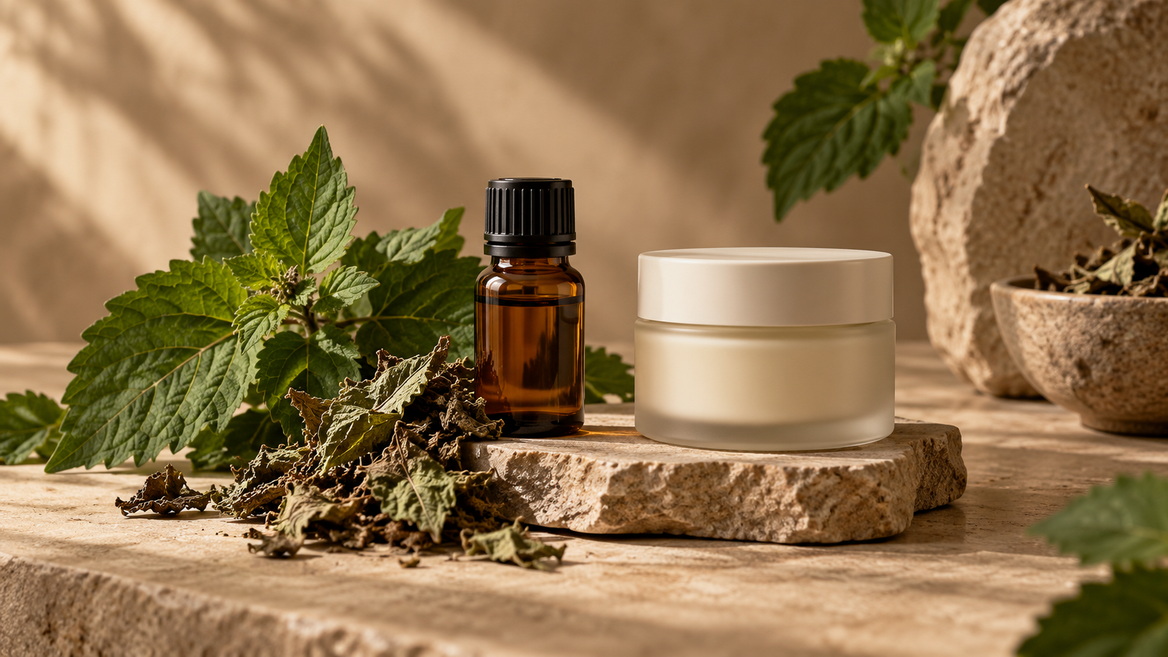
Patchouli essential oil is a plant-derived aromatic oil traditionally obtained through steam distillation of patchouli leaves. The plant, scientifically known as *Pogostemon cablin*, belongs to the mint family and is widely associated with tropical and subtropical growing regions.
Patchouli oil has a unique scent profile that can be described as:
- Earthy
- Woody
- Warm
- Mossy
- Sweet-balsamic
- Slightly spicy
- Rich and long-lasting
In fragrance design, patchouli is commonly considered a base note. This means it can remain noticeable after fresher top notes, such as citrus or herbal notes, begin to fade. Its persistence makes it especially useful in products designed to create a lasting sensory impression.
Unlike lightweight floral or citrus scents, patchouli adds depth and complexity. When formulated well, it can make a body-care or skincare product feel more luxurious, natural, calming, or sophisticated.
Patchouli essential oil is often used in:
- Body lotions
- Body butters
- Massage oils
- Shower gels
- Facial cleansers
- Hand creams
- Soaps
- Bath products
- Hair oils
- Scalp-care products
- Beard oils
- Solid perfumes
- Aromatic gift sets
Consumers increasingly look for beauty products that provide more than basic cleansing or moisturizing. They want products that create a sensory experience, communicate a lifestyle, and make daily self-care feel more intentional.
Patchouli essential oil fits naturally into this growing demand for botanical, aromatic, and wellness-inspired beauty products.
A patchouli product can support a range of brand directions, including:
- Botanical skincare collections
- Premium spa-inspired body care
- Gender-neutral personal-care ranges
- Natural-inspired fragrance collections
- Evening self-care rituals
- Aromatic massage products
- Earthy woody fragrance concepts
- Boutique hotel amenities
- Giftable bath and body collections
Patchouli can be used to create a product identity that feels warm and grounded. It is especially suitable for brands that want to move away from overly sweet, generic, or heavily floral fragrance profiles.
For example, a body lotion with patchouli, soft vanilla, and cedarwood-inspired fragrance notes can create a warm and comforting evening-care experience. A body oil with patchouli, bergamot, and sandalwood can feel more refined, unisex, and spa-focused.
The final result depends on how patchouli is balanced with other ingredients and fragrance materials.

Patchouli essential oil is not a single compound. It is a complex natural mixture containing multiple aromatic and bioactive constituents. One of its best-known components is patchoulol, also called patchouli alcohol.
Patchoulol is often considered an important marker of patchouli oil quality and identity. However, the final composition of patchouli essential oil can vary depending on several factors.
These include:
- Botanical source
- Growing environment
- Climate conditions
- Harvest timing
- Leaf drying method
- Distillation process
- Storage conditions
- Supplier quality standards
- Raw-material traceability
This natural variation matters in cosmetic formulation. Two batches of patchouli oil may have differences in aroma strength, color, composition, and stability. For beauty brands, selecting a reliable raw-material source is essential.
A professional development process should include appropriate raw-material documentation and quality review before a formula reaches the production stage.
| Quality Factor | Why It Matters in Patchouli Skincare |
|---|---|
| Botanical identification | Helps confirm the correct patchouli plant source |
| Aroma profile | Supports a consistent consumer fragrance experience |
| Raw-material appearance | Helps maintain product color and visual quality |
| Chemical composition | Supports batch consistency and ingredient evaluation |
| Storage stability | Reduces the risk of fragrance changes over time |
| Supplier documentation | Supports traceability and quality management |
| Formula compatibility | Helps ensure stable performance in the final product |
Patchouli essential oil is most valuable in personal-care products because of its fragrance profile, storytelling potential, and versatility across multiple categories.
It can help brands create memorable formulas when used in an appropriate concentration and supported by a well-designed product base.
One of the most important benefits of patchouli essential oil is its strong fragrance character. It provides a deep, earthy foundation that can help lighter fragrance notes remain balanced and long-lasting.
Patchouli is commonly paired with:
- Bergamot
- Mandarin
- Lemon-inspired notes
- Lavender
- Geranium
- Rose
- Cedarwood
- Sandalwood
- Vanilla
- Amber accords
- Musk accords
- Tonka-inspired notes
- Frankincense
- Vetiver
The fragrance direction can be adjusted according to the brand's identity and target market.
For a more youthful and modern product, patchouli may be blended with fresh citrus, light florals, creamy vanilla, or soft musk notes. For a more premium and mature fragrance profile, it may be paired with woods, resins, amber, spices, and balsamic accords.
Patchouli essential oil provides a powerful ingredient story for beauty brands. Consumers often respond positively to products that communicate botanical origin, thoughtful formulation, sensory appeal, and a connection to self-care rituals.
A well-positioned patchouli body-care collection can support messages such as:
- Warm botanical fragrance
- Earthy woody sensorial experience
- Evening body-care ritual
- Spa-inspired home care
- Plant-derived aromatic ingredient
- Sophisticated gender-neutral fragrance
- Premium self-care collection
For example, a patchouli body butter may be positioned as a rich moisturizing product with a warm botanical scent designed to transform a regular body-care routine into a more elevated moment of self-care.
This type of product storytelling can be effective because it focuses on the overall consumer experience rather than making exaggerated medical claims.
Patchouli essential oil can work in a wide range of skincare and cosmetics products. It is especially suitable for body care, bath products, hair care, and fragrance-inspired collections.
| Product Category | Suitable Patchouli Product Concept |
|---|---|
| Body lotion | Lightweight daily moisturizer with a warm woody fragrance |
| Body butter | Rich nourishing cream with a premium botanical scent |
| Massage oil | Smooth aromatic body oil for spa and wellness use |
| Shower gel | Daily cleansing product with long-lasting fragrance appeal |
| Soap bar | Botanical cleansing bar with earthy fragrance character |
| Hand cream | Moisturizing hand care with a refined natural-inspired scent |
| Hair oil | Lightweight aromatic oil for dry hair and ends |
| Beard oil | Masculine or gender-neutral grooming oil with woody notes |
| Facial oil | Premium facial-care product with a carefully controlled fragrance level |
| Gift set | Coordinated body lotion, shower gel, soap, and body oil collection |
Patchouli essential oil is concentrated and should be carefully incorporated into the final formula. It should not be used undiluted directly on the skin.
The correct use level depends on the product category, target user, formula base, fragrance composition, regional requirements, and intended product claims.
For example, a patchouli body lotion may use a different fragrance concentration than a facial oil. A rinse-off shower gel may have different formulation requirements than a leave-on body butter. A product designed for sensitive skin should usually take a more conservative approach to fragrance.
When developing a patchouli skincare product, formulators should consider:
- The intended use area of the product
- Whether the product is rinse-off or leave-on
- The age group and skin profile of the target consumer
- The overall fragrance concentration
- Other essential oils or fragrance materials in the formula
- Potential fragrance allergens
- Product texture and sensory performance
- Ingredient compatibility
- Product stability over time
- Packaging material compatibility
- Local cosmetic requirements in target markets
Patchouli oil is oil-soluble, so it must be properly dispersed within the formula. The approach will vary depending on the product system.
In a body oil, patchouli essential oil may be combined with carrier oils and lightweight emollients. Suitable bases may include jojoba oil, sunflower seed oil, squalane, sweet almond oil, caprylic/capric triglyceride, or other cosmetic-grade emollient blends.
A successful patchouli body oil should offer:
- Easy spreadability
- A smooth skin feel
- Fast or balanced absorption
- A non-sticky finish
- A refined fragrance release
- Good packaging compatibility
- Long-term appearance and odor stability
For a body lotion, patchouli essential oil is typically incorporated into an emulsified system. The fragrance needs to remain stable without overpowering the moisturizing experience.
A well-designed patchouli body lotion may include:
- Humectants for hydration
- Emollients for softness
- Skin-conditioning ingredients
- A stable emulsion system
- A balanced fragrance blend
- A preservative system where needed
- Texture-enhancing ingredients
- Product-specific safety and stability testing
A modern patchouli body lotion should not feel too oily, too heavy, or too strongly fragranced. The goal is to create a pleasant daily-use product that leaves skin feeling comfortable and softly scented.
Patchouli shower gel can be an excellent option for brands that want to create a daily-use aromatic cleansing product.
Development considerations include:
- Mild cleansing performance
- Foam quality
- Viscosity
- Clarity or pearlescent appearance
- Fragrance stability
- Color stability
- Compatibility with surfactants
- Skin-feel after rinsing
- Packaging compatibility
A patchouli shower gel can be positioned as part of a coordinated body-care collection with matching body lotion, body butter, hand cream, or body oil.

Safety should always be a central part of essential-oil product development. Patchouli essential oil is a fragrant botanical ingredient, and individual tolerance can vary.
Consumers with fragrance sensitivity, highly reactive skin, eczema-prone skin, or a history of allergic reactions should take additional care when selecting scented products.
A patch test is a practical step before first use, especially for leave-on products such as body oils, body lotions, creams, facial oils, and hand creams.
A simple patch-test process includes:
1. Apply a small amount of the finished product to clean skin on the inner forearm.
2. Leave the area undisturbed and avoid washing it immediately.
3. Observe the area over the next 24 hours.
4. Discontinue use if redness, itching, burning, rash, or discomfort occurs.
5. Seek professional medical advice if a severe or persistent reaction develops.
Professional patchouli skincare development should include a complete quality and safety process.
Key practices may include:
- Reviewing raw-material specifications
- Checking supplier documentation
- Evaluating fragrance composition
- Assessing use levels for the intended category
- Conducting product stability testing
- Conducting microbiological testing for water-based formulas
- Reviewing preservative performance where applicable
- Testing packaging compatibility
- Supporting product tolerance evaluation
- Reviewing product labeling requirements
- Ensuring claims are appropriate for cosmetics
A product should never be marketed as a treatment for acne, eczema, infections, wounds, or medical skin conditions unless it has been developed, tested, approved, and regulated for that specific purpose.
A successful patchouli range should be built around a clear commercial concept. Rather than using patchouli as a single isolated ingredient, brands can create a more cohesive collection by connecting fragrance, texture, packaging, color, and product purpose.
This collection may include:
- Patchouli body lotion
- Patchouli shower gel
- Patchouli body butter
- Patchouli hand cream
- Patchouli soap bar
The fragrance profile can combine patchouli with cedarwood, bergamot, soft amber, and warm vanilla-inspired notes.
This concept is suitable for natural-inspired brands, boutique retailers, gift stores, wellness brands, and premium body-care collections.
This collection may include:
- Patchouli massage oil
- Patchouli bath oil
- Patchouli body scrub
- Patchouli foot cream
- Patchouli aromatic candle or home-fragrance product
The scent direction may combine patchouli with lavender, sandalwood, geranium, and light citrus notes.
This concept is suitable for spa brands, salons, wellness studios, hospitality projects, and professional massage product lines.
This collection may include:
- Patchouli beard oil
- Patchouli body wash
- Patchouli body lotion
- Patchouli hand cream
- Patchouli hair and scalp oil
The fragrance direction may include patchouli, vetiver, cedarwood, bergamot, and musk-inspired notes.
This concept is suitable for brands looking to develop a mature, modern, woody, and unisex personal-care identity.
Creating a patchouli skincare product involves much more than choosing an essential oil. A strong final product requires research, formulation experience, stable manufacturing processes, quality control, packaging coordination, and a clear understanding of the target market.
GUANGZHOU LAIMEI CREATIVE RESEARCH INTELLIGENT BIOLOGICAL RESEARCH CO., LTD. has specialized in skincare and cosmetics research, development, and manufacturing for 13 years.
We provide full-service support for global brands seeking customized skincare, body-care, and cosmetic solutions.
Our research and development team is led by an authoritative Brazilian professor and brings together experienced dermatology professionals, senior technical engineers, and laboratory specialists.
Our wider technical and production system includes more than 1,000 professionals supporting formula development, ingredient evaluation, process improvement, production management, and quality control.
This integrated capability allows us to support clients from early concept development through formula selection, sample creation, product testing, scaled manufacturing, and finished-product delivery.
Our company operates a 20,000-square-meter GMP-standard manufacturing base with an annual production capacity exceeding 50 million units.
We support a wide range of product categories, including:
- Facial cleansers
- Facial serums
- Moisturizing creams
- Facial masks
- Body lotions
- Body butters
- Massage oils
- Shower gels
- Hair oils
- Scalp-care products
- Private-label skincare
- Customized cosmetic products
We can support small-batch product sampling, pilot production, and stable large-scale delivery according to brand requirements.
Quality is built into every stage of product development and production. Our three-level quality-control approach includes:
1. Raw-material inspection before production.
2. Production-line inspection during manufacturing.
3. Finished-product inspection before release.
Our facility has completed U.S. FDA registration and holds ISO 22716 cosmetic quality-management certification, GMPC certification, and MADS certification.
These quality systems support consistent manufacturing practices, documentation management, process control, and product-quality monitoring.
Our products have been supplied to more than 100 countries and regions. We understand that different markets may have different consumer preferences, packaging expectations, labeling requirements, ingredient preferences, and product positioning needs.
Our one-stop service can support:
- Custom formula development
- Patchouli fragrance concept development
- Ingredient selection
- Product texture customization
- Packaging design support
- Private-label product development
- OEM and ODM manufacturing
- Bulk production
- Quality inspection
- Global supply coordination
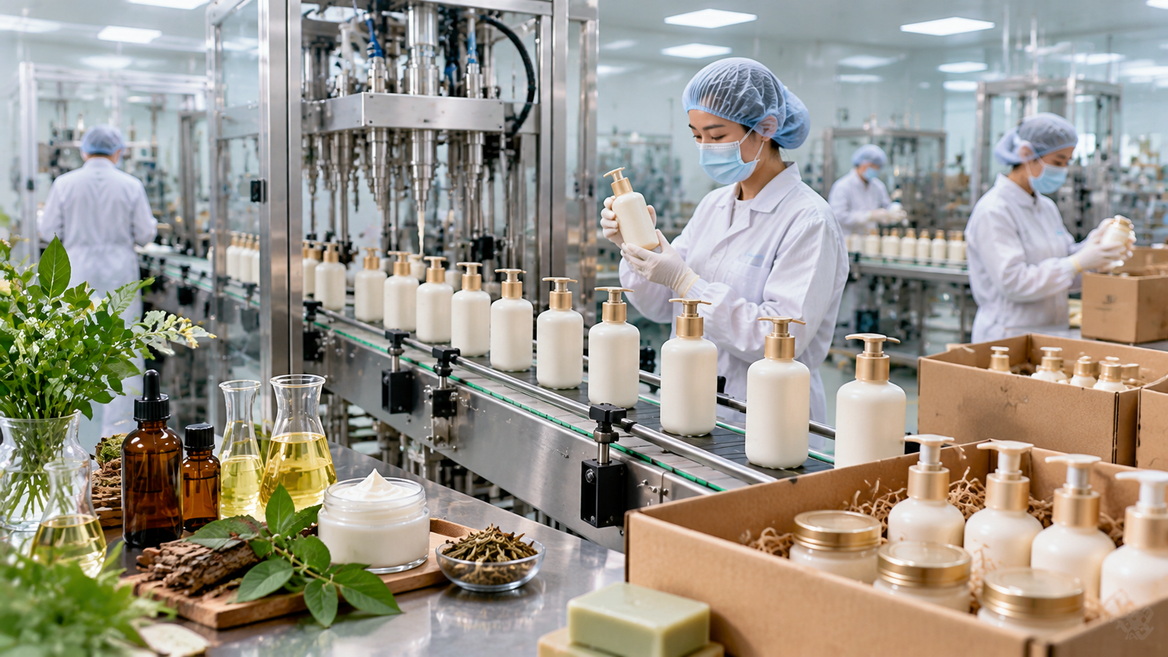
Patchouli essential oil is a versatile ingredient with strong potential in modern skincare, body care, hair care, grooming products, and fragrance-led wellness collections. Its earthy, woody, warm, and long-lasting scent can help brands build a distinctive identity and deliver a more memorable consumer experience.
The most successful patchouli products combine thoughtful fragrance design, stable formulation, responsible safety practices, suitable packaging, and clear market positioning. Whether developed as a body lotion, massage oil, shower gel, body butter, facial oil, soap, or hair-care product, patchouli can become the foundation of a premium botanical collection.
For brands seeking customized patchouli skincare solutions, GUANGZHOU LAIMEI CREATIVE RESEARCH INTELLIGENT BIOLOGICAL RESEARCH CO., LTD. provides integrated formula development, packaging support, manufacturing capability, quality management, and global service experience to help bring product ideas to market.
Patchouli essential oil has a deep, earthy, woody, warm, mossy, and slightly sweet aroma. It is often used as a base note in perfumes, body products, soaps, and aromatic personal-care collections.
Yes. Patchouli essential oil can be used in body lotion when it is properly formulated at an appropriate concentration. It works well with moisturizing ingredients and can create a warm, long-lasting botanical fragrance experience.
Patchouli essential oil can be used in facial skincare, but it should be carefully controlled due to the sensitive nature of facial skin. Facial oils, creams, and serums should use a suitable fragrance level and undergo appropriate safety and stability evaluation.
No. Patchouli essential oil should not be applied directly to the skin in its undiluted form. It should be properly diluted in a carrier oil or incorporated into a professionally formulated cosmetic product.
Patchouli essential oil can be used in body lotion, body butter, massage oil, shower gel, soap, hand cream, facial oil, beard oil, hair oil, scalp products, bath products, and fragrance-inspired gift sets.
Patchouli essential oil is plant-derived and can be used in vegan skincare concepts. The final vegan status of a product depends on all ingredients, processing materials, packaging components, and the overall supply chain.
Yes. A professional skincare manufacturer can develop customized patchouli products based on the desired formula type, texture, fragrance direction, packaging, target market, order quantity, and brand positioning.
1. RainShadow Labs. "Patchouli Essential Oil."
[https://www.rainshadowlabs.com/blogs/skincare-resources/patchouli-essential-oil]
2. Mrisho, I. I., et al. "Unlocking the Therapeutic Potential of Patchouli Leaves: A Comprehensive Review of Phytochemical and Pharmacological Insights." *Plants*, 2025, 14(7), 1034.
[https://pmc.ncbi.nlm.nih.gov/articles/PMC11990424/]
3. van Beek, T. A., and Joulain, D. "The Essential Oil of Patchouli, Pogostemon cablin: A Review." *Flavour and Fragrance Journal*, 2018, 33(1), 6–51.
[https://research.wur.nl/en/publications/the-essential-oil-of-patchouli-pogostemon-cablin-a-review/]
4. International Fragrance Association. "IFRA Standards."
[https://ifrafragrance.org/initiatives-positions/safe-use-fragrance-science/ifra-standards]
5. European Commission, Scientific Committee on Consumer Safety. "SCCS Notes of Guidance for the Testing of Cosmetic Ingredients and Their Safety Evaluation, 12th Revision."
6. Healthline. "Patchouli Oil: Uses, Benefits, and Side Effects."
[https://www.healthline.com/health/patchouli-oil]


