
Views: 267 Author: Vera Publish Time: 2026-09-17 Origin: Site


Content Menu
● What Are Pores—and Why Do They Look Larger?
>> Pore Size Is Not the Same as Pore Visibility
● Why Pores Become More Noticeable
>> Age-Related Changes in Skin Texture
>> UV Exposure and Uneven Surface Appearance
>> Genetics, Hormones, and Skin Type
● The Best Ingredients for Large-Looking Pores
>> Salicylic Acid: A Targeted Choice for Congestion
>> Lactic Acid: Gentle Surface Resurfacing
>> Niacinamide: Oil Balance and Barrier Support
>> Retinoids: Long-Term Texture Support
● A Practical Routine for Large Pores
>> Step 1: Cleanse Without Over-Stripping
>> Step 2: Add One Targeted Treatment
>> Step 3: Use a Lightweight Moisturizer
>> Step 4: Use Sunscreen Every Morning
>> Step 5: Add a Weekly Clarifying Mask If Needed
● Common Pore-Care Mistakes to Avoid
● Formulation Considerations for Pore-Refining Skincare Brands
● Build a Pore-Care Collection That Customers Can Use Consistently
>> Can skincare permanently shrink pores?
>> Is salicylic acid good for large pores?
>> Is niacinamide suitable for oily, pore-prone skin?
>> Can clay masks reduce pore size?
>> Should people with oily skin use moisturizer?
>> How long does it take to see improvements in pore appearance?
>> Can I use lactic acid and retinoids together?
Large pores cannot be permanently "closed" or erased, but the visible appearance of pores can be refined. The most reliable approach combines consistent cleansing, targeted exfoliation, barrier-supportive hydration, daily sun protection, and well-designed formulas that match the needs of oily, combination, congested, or mature skin.
For brands developing pore-refining skincare, the goal should not be to promise impossible pore removal. Instead, create products that help reduce surface oil, clear pore-blocking debris, improve skin smoothness, and support the look of firm, balanced skin over time.

Pores are small openings in the skin that connect to hair follicles and sebaceous glands. These glands produce sebum, the skin's natural oil, which helps maintain softness and reduce moisture loss.
Pores are necessary for normal skin function. However, they can become more visible when oil, dead skin cells, sunscreen residue, makeup, pollution particles, or keratin buildup collect around the follicle opening.
The areas where people most often notice enlarged pores include:
- The nose
- The cheeks near the nose
- The forehead
- The chin
- The upper back and chest
A pore-refining routine should focus on what can realistically change: congestion, shine, texture, elasticity, and the contrast between pore openings and surrounding skin.
Genetics influence a person's baseline pore size. Someone with naturally oilier skin, thicker skin, or more active sebaceous glands may always have more noticeable pores than someone with dry skin.
Still, visible pores can look larger because of several changeable factors:
| Factor | What Happens on Skin | Useful Product Approach |
|---|---|---|
| Excess sebum | Oil collects around and inside follicle openings | Lightweight oil-balancing formulas |
| Dead skin cell buildup | Cells accumulate and make pores look congested | Gentle chemical exfoliation |
| Blackheads and comedones | Oxidized oil and keratin make pores more obvious | Salicylic acid or retinoid-focused routines |
| Dehydration | Uneven surface texture can make pores stand out | Humectants and barrier-supportive moisturizers |
| Sun exposure | Loss of visible firmness may emphasize texture | Broad-spectrum SPF 30+ every day |
| Skin aging | Changes in collagen and elastin can affect skin texture | Retinoids, antioxidants, hydration, sun care |
| Heavy or unsuitable formulas | Some products may worsen congestion for susceptible users | Non-comedogenic, skin-type-specific formulation |
The practical message is simple: you cannot change your genetic pore structure, but you can improve the conditions that make pores appear more prominent.
Sebum itself is not harmful. In fact, it is part of the skin's protective surface system. Problems arise when sebum mixes with shed skin cells, environmental particles, and cosmetic residue.
This mixture can collect inside the follicle opening. When the opening is filled or stretched by congestion, it may look darker, wider, and more visible. This is particularly common in oily and acne-prone skin.
A routine that removes excess oil without harsh stripping is essential. Over-cleansing may leave skin feeling tight, yet it can also disrupt comfort and lead users to apply too many drying products. The result is often irritation, uneven texture, and poor routine adherence.
As skin matures, its visible firmness and elasticity may change. The skin around pore openings can look less supported, especially on the cheeks. At the same time, natural cell turnover may become less efficient, allowing dull surface cells to accumulate.
This is why pore care for mature skin should not rely exclusively on strong oil-control ingredients. A more balanced formula may include:
- Mild exfoliating acids
- Hydrating humectants
- Barrier-supporting emollients
- Antioxidants
- Retinoid-compatible soothing ingredients
- Daily sun protection
Repeated unprotected sun exposure can contribute to uneven texture, dryness, and visible signs of skin aging. These changes may make pores look more noticeable, even if the actual follicle opening has not changed significantly.
Daily sunscreen is therefore not an optional finishing step. It is a foundational part of any routine designed for smoother-looking skin.
For consumers with oil-prone skin, modern sunscreen formats can be especially useful, including lightweight lotions, gel-creams, fluid emulsions, mineral fluids, and non-greasy hybrid formulas.
Pore visibility varies widely from person to person. Genetics play a major role, and hormonal shifts can influence oil production. Adolescence, menstrual-cycle changes, pregnancy, and menopause may all affect how oily, congested, or reactive the skin appears.
For this reason, product developers should avoid a one-formula-fits-all approach. A pore-refining collection is stronger when it provides clear options for:
- Oily and acne-prone skin
- Combination skin
- Sensitive but congested skin
- Mature skin with visible texture
- Men's skincare routines
- Humid-climate and dry-climate users
Salicylic acid is a beta hydroxy acid commonly used in acne and pore-care products. It is especially relevant for skin affected by blackheads, whiteheads, excess shine, and congested-looking pores.
Unlike some water-soluble exfoliating ingredients, salicylic acid is oil-soluble. This makes it particularly useful in formulas designed to work within oily follicular environments.
A well-designed salicylic acid product may help support a clearer-looking pore area by:
- Exfoliating dead skin cells
- Helping reduce the buildup that contributes to clogged pores
- Improving the appearance of blackheads and whiteheads
- Supporting smoother-looking texture
- Helping oily skin feel less heavy or greasy
For leave-on products, start with a lower frequency of use and increase gradually according to skin tolerance. Overuse may lead to dryness, visible flaking, or discomfort.
Formulation note: Pairing salicylic acid with humectants, soothing agents, and a well-balanced preservation system can improve user comfort and support repeat use.
Lactic acid is an alpha hydroxy acid that works primarily on the surface of the skin. It can help loosen the bonds between dull, dead surface cells, improving the look of roughness and uneven texture.
It is often selected for products intended for users who want smoother-looking skin but may find stronger exfoliation routines uncomfortable.
Potential benefits of lactic acid in a pore-refining routine include:
- Brighter-looking skin
- Softer surface texture
- Improved appearance of dullness
- Better makeup application
- A smoother visual transition around pore openings
- Support for skin renewal when used appropriately
Lactic acid is not a replacement for salicylic acid in every case. A consumer whose primary concern is blackheads may prefer a salicylic acid cleanser or toner, while someone focused on rough texture and dullness may respond well to a lactic acid serum, toner, or resurfacing cream.
Niacinamide, also known as vitamin B3, is a versatile skincare ingredient used in many pore-refining, brightening, and barrier-supportive formulations.
It is popular because it can fit into both oily-skin and sensitive-skin routines. While individual responses vary, niacinamide is often chosen to support a more balanced look by helping skin feel less oily while improving the appearance of uneven tone and texture.
A modern pore-care formula may use niacinamide alongside:
- Zinc PCA
- Panthenol
- Betaine
- Ectoin
- Sodium hyaluronate
- Ceramides
- Green tea extract
- Allantoin
This combination helps move pore care away from aggressive "oil stripping" and toward a more comfortable, balanced skincare experience.
Topical retinoids are widely used in acne and texture-focused skincare routines. They can support clearer pores, smoother texture, and a more refined overall appearance when used consistently and correctly.
However, retinoids require careful product education. They may cause dryness or irritation, particularly when users begin too quickly or combine them with multiple strong exfoliating products.
For brands building a retinoid product line, key guidance should include:
1. Begin with a lower frequency, such as two to three evenings weekly.
2. Apply to clean, fully dry skin unless product instructions state otherwise.
3. Use a simple moisturizer to support comfort.
4. Avoid using multiple strong exfoliants in the same routine at the beginning.
5. Use broad-spectrum sunscreen every morning.
6. Advise users to seek professional guidance during pregnancy, breastfeeding, or when managing a medical skin condition.
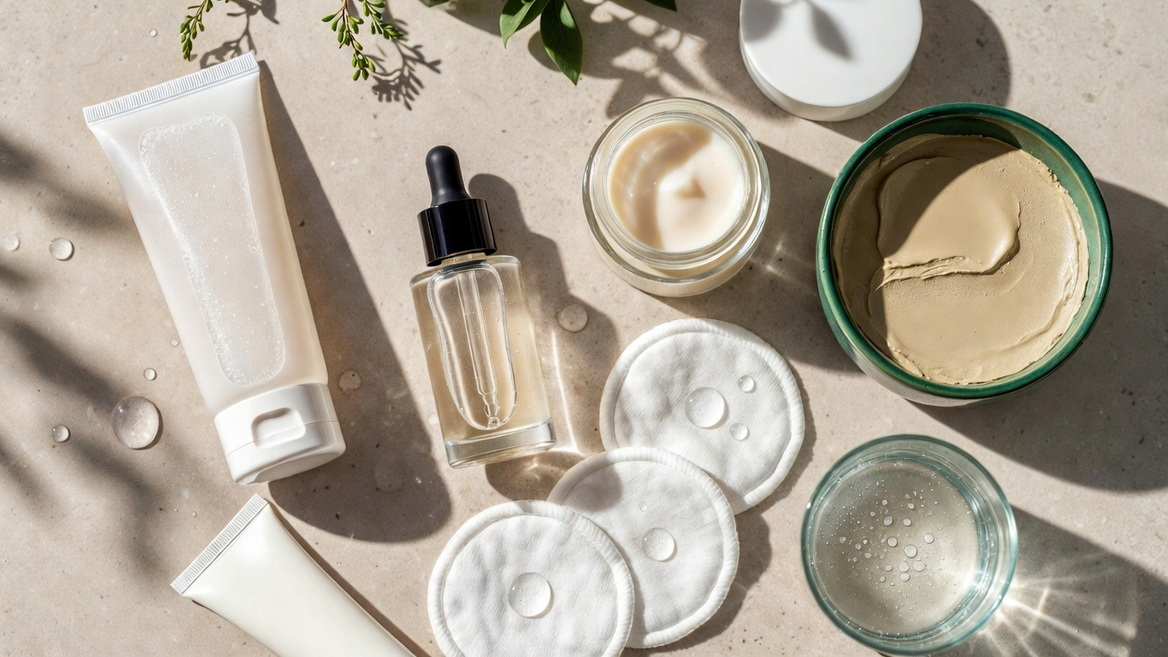
The best skincare routine for large pores is not necessarily the most complicated one. Consistency, suitable ingredients, and tolerable formulas matter more than adding many products at once.
Use a gentle cleanser morning and evening to remove oil, sweat, sunscreen, makeup, and daily debris.
For oily or congested skin, a cleanser containing salicylic acid can be a useful option. For dry, sensitive, or mature skin, choose a low-foam or cream-gel cleanser that cleans effectively without leaving a tight, squeaky feeling.
Look for a cleansing formula with:
- Mild surfactants
- Skin-compatible pH
- Easy rinse-off performance
- No heavy residue
- Comfortable after-feel
- Suitable fragrance strategy for the target market
Choose a single leave-on active based on the main concern.
| Main Concern | Suitable Treatment Direction |
|---|---|
| Blackheads and oily T-zone | Salicylic acid |
| Roughness and dull skin | Lactic acid or another gentle AHA |
| Excess shine and uneven tone | Niacinamide-based serum |
| Persistent texture and acne-prone skin | Retinoid routine with gradual introduction |
| Dehydrated, irritated skin | Barrier-supportive hydrating serum |
Do not introduce several powerful products at the same time. This makes it difficult to identify what the skin tolerates and may increase the risk of irritation.
Skipping moisturizer is a common mistake among people with oily skin. Skin still needs water-binding ingredients and a supportive protective layer, even when it produces visible oil.
A good pore-care moisturizer should feel breathable and absorb quickly. Depending on the market and skin type, useful ingredients may include glycerin, sodium hyaluronate, panthenol, squalane, ceramides, beta-glucan, or lightweight plant-derived emollients.
Avoid positioning all oils as "bad." The key is to select the right texture, ingredient balance, and skin-type fit.
A broad-spectrum SPF 30 or higher should be used daily, including on cloudy days and when working near windows. For consumers who dislike traditional sunscreen textures, brands can develop fast-absorbing, low-shine formats that work well under makeup.
An effective daily sunscreen should ideally offer:
- Broad-spectrum protection
- Comfortable reapplication
- Minimal white cast for the target audience
- Compatibility with makeup
- A non-greasy sensory profile
- Clear use instructions
Clay masks can be useful for users with oily or congested areas, particularly the T-zone. Kaolin, bentonite, charcoal, and gentle exfoliating particles may help create a temporary fresh, matte, clean-skin feel.
However, a mask should not become a substitute for daily routine consistency. Overuse of highly absorbent masks can leave skin uncomfortable, especially in dry climates or for users already using retinoids and acids.
A reasonable approach is once weekly, then adjust based on skin comfort.
Many consumers use pore products aggressively because they want immediate results. This can backfire.
Avoid these frequent mistakes:
- Scrubbing the face with harsh physical exfoliants every day
- Using several exfoliating acids in the same routine
- Applying retinoids and strong acids together without a gradual plan
- Skipping moisturizer because skin feels oily
- Picking blackheads or squeezing pores frequently
- Using heavy, unsuitable makeup products without thorough cleansing
- Ignoring daily sun protection
- Expecting pore size to permanently disappear after one product
A better message for brands is: refine, balance, clarify, smooth, and support. These are realistic benefits that align more closely with how skin and cosmetic products work.
For a new pore-minimizing skincare range, performance depends on more than choosing a trending ingredient. The formula must be stable, safe, pleasant to use, compatible with packaging, and suitable for the target customer's climate and routine.
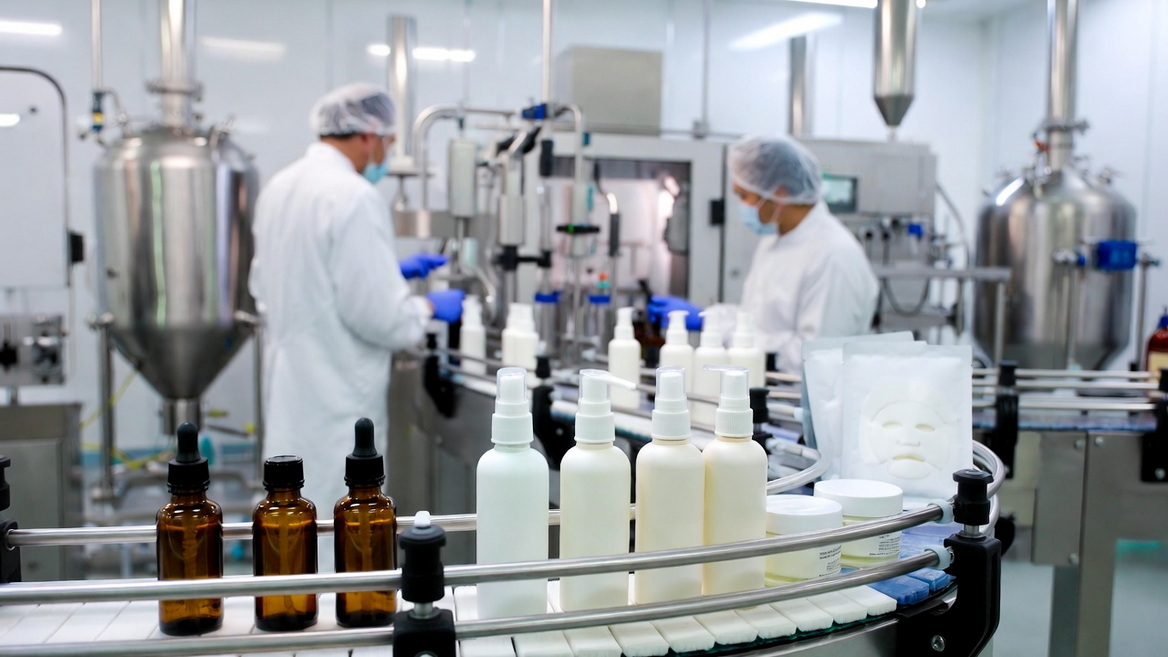
GUANGZHOU LAIMEI CREATIVE RESEARCH INTELLIGENT BIOLOGICAL RESEARCH CO., LTD. provides one-stop OEM/ODM support for skincare and cosmetic brands seeking to develop customized pore-care products, including cleansers, essence serums, moisturizers, masks, and other daily-use formats.
With 13 years of skincare and cosmetics R&D and manufacturing experience, the company supports projects from formula development and packaging design through production and delivery. Its 20,000 m² GMP-standard manufacturing base has annual production capacity exceeding 50 million units, enabling both small-batch product trials and stable high-volume supply.
For pore-refining concepts, a product development brief may include:
- Target skin type and climate
- Desired active ingredients and concentration range
- Product texture, such as gel cleanser, toner, serum, gel-cream, or clay mask
- Fragrance-free or low-fragrance requirements
- Packaging type, including airless pump, dropper bottle, tube, jar, or spray
- Target claims and market compliance requirements
- Stability, compatibility, microbiological, and performance-testing expectations
- Private-label, OEM, or ODM service scope
The company's quality-management approach includes three levels of quality control across raw-material receipt, production-line inspection, and finished-product release. Its stated credentials include U.S. FDA registration, ISO 22716 certification, GMPC certification, and MADS certification.
For global beauty brands, this manufacturing foundation is important because a market-ready pore-care product must combine attractive claims with reliable consistency, traceable production processes, suitable packaging, and user-friendly sensory performance.
The strongest pore-refining product line is not built around exaggerated "poreless skin" promises. It is built around credible, skin-conscious products that consumers can use comfortably for weeks and months.
A focused collection might include:
- A low-residue daily cleanser
- A salicylic acid clarifying toner or serum
- A niacinamide balancing essence
- A gentle resurfacing lactic acid treatment
- A lightweight gel moisturizer
- A weekly clay mask
- A comfortable daily sunscreen
For brands looking to launch or upgrade a pore-refining skincare range, work with a manufacturing partner that can translate ingredient concepts into stable, scalable, quality-controlled formulations and packaging solutions.
Contact GUANGZHOU LAIMEI CREATIVE RESEARCH INTELLIGENT BIOLOGICAL RESEARCH CO., LTD. to discuss your OEM/ODM pore-care product concept, target market, packaging requirements, and customized formula direction.
No. Pore size is influenced partly by genetics and skin structure. Skincare can help minimize the appearance of pores by reducing congestion, controlling excess oil, smoothing surface texture, supporting hydration, and protecting skin from UV-related texture changes.
Salicylic acid can be a useful ingredient for pores that look enlarged because of oil, blackheads, whiteheads, and congestion. It helps exfoliate and support clearer-looking follicle openings. Introduce it gradually, particularly if skin is dry, sensitive, or already using other active ingredients.
Niacinamide is commonly used in formulas for oily, combination, and pore-prone skin. It is often selected for its ability to support a balanced-looking complexion while also fitting into hydration- and barrier-focused routines.
Clay masks cannot permanently change pore size. They can temporarily improve the look of shine and congestion by absorbing surface oil and removing impurities. Use them in moderation to avoid dryness or discomfort.
Yes. Oily skin still benefits from hydration and barrier support. A lightweight gel, lotion, or fast-absorbing cream can be more suitable than a heavy occlusive texture, but completely skipping moisturizer is usually not the best strategy.
Some users may notice a cleaner, smoother-looking surface shortly after adopting a suitable routine. More meaningful changes in congestion and texture usually require consistent use over several weeks. Retinoid-based routines may take 12 weeks or longer to show improvement.
They can be used in the same overall routine, but beginners should avoid layering strong exfoliating acids and retinoids in the same evening. Alternate use days, introduce one active at a time, maintain hydration, and reduce frequency if irritation occurs.
1. [Eminence Organic Skin Care: How To Shrink Large Pores—3 Best Ingredients & Skin Care Routine]
2. [American Academy of Dermatology: Acne Diagnosis and Treatment]
5. [DermNet: Topical Retinoids]
6. [U.S. Food and Drug Administration: GMP Guidelines and Inspection Checklist for Cosmetics]
7. [PubMed: Skincare Ingredients Recommended by Cosmetic Dermatologists]


