
Views: 294 Author: Vera Publish Time: 2026-09-19 Origin: Site


Content Menu
● Argan Oil vs. Jojoba Oil at a Glance
● What Makes Argan Oil Different?
● What Makes Jojoba Oil Different?
>> Jojoba Oil for Scalp and Hair
● Argan Oil vs. Jojoba Oil for Different Skin Types
● Argan Oil vs. Jojoba Oil for Hair Types
>> Choose Argan Oil for Richer Haircare
>> Choose Jojoba Oil for Lightweight Scalp Care
● The Best Option for Private-Label Formulas: Often a Blend
>> Example Product Concept: Dual Botanical Facial Oil
● How to Select the Right Oil for Product Development
● Formulation and Quality Considerations for Brands
● Final Verdict: Argan Oil or Jojoba Oil?
>> Is argan oil better than jojoba oil for the face?
>> Is jojoba oil actually an oil?
>> Which is better for dry hair: argan oil or jojoba oil?
>> Can argan oil and jojoba oil be used together?
>> Can jojoba oil be used in cleansing oils?
>> Are argan oil and jojoba oil safe in cosmetics?
>> Which oil is better for a premium private-label hair serum?
Argan oil and jojoba oil are both high-value botanical ingredients, but they serve different formulation purposes. Jojoba oil is technically a liquid wax ester with a skin-compatible sensory profile, while argan oil is a triglyceride-rich emollient valued for its fatty acids, tocopherols, and nourishing feel. The better choice depends on the target consumer, product format, skin feel, claim strategy, and desired brand position.
For brand owners developing facial oils, serums, moisturizers, scalp treatments, body care, or haircare products, the decision should go beyond the question of "which oil is better?" A stronger question is: Which oil delivers the right performance, texture, story, and commercial advantage for this specific product?
At GUANGZHOU LAIMEI CREATIVE RESEARCH INTELLIGENT BIOLOGICAL RESEARCH CO., LTD., our product-development teams evaluate botanical oils from a full formulation perspective: ingredient compatibility, stability, sensory performance, packaging fit, target market, usage scenario, and scale-up feasibility. With 13 years of skincare and cosmetics manufacturing experience, a 20,000 m² GMP-standard production base, and full-service OEM/ODM capabilities, we help global brands turn ingredient ideas into differentiated finished products.
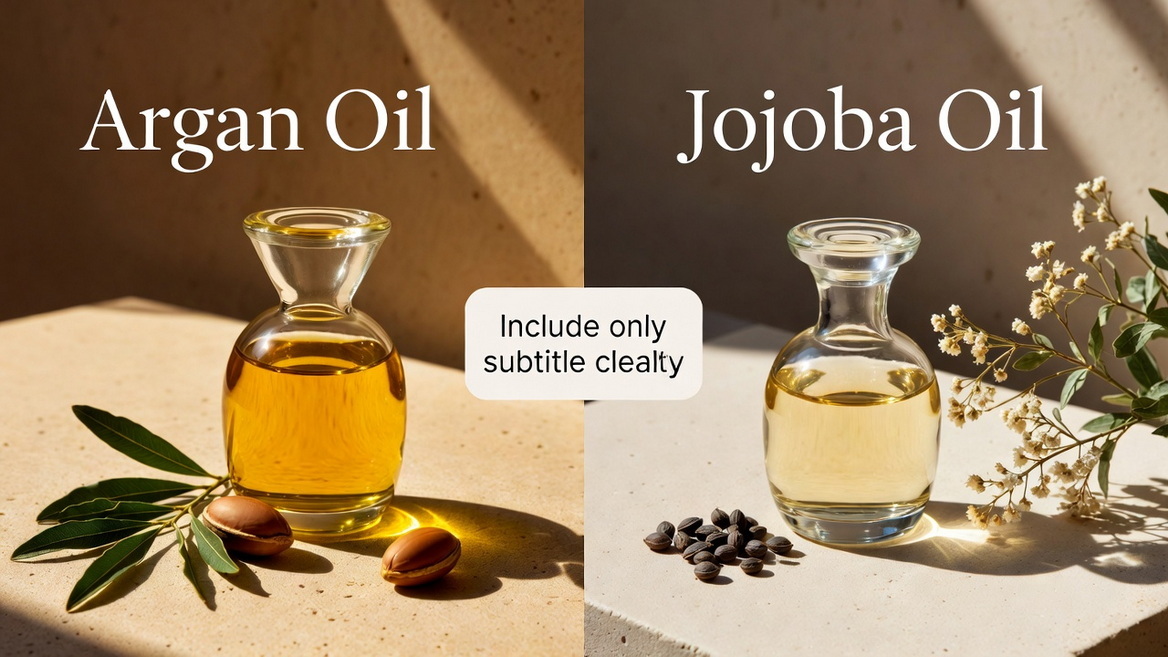
Argan oil and jojoba oil are often placed in the same category because both are widely used in facial care, body care, and haircare. However, their chemistry and consumer experience are noticeably different.
| Comparison Factor | Argan Oil | Jojoba Oil |
|---|---|---|
| INCI name | Argania Spinosa Kernel Oil | Simmondsia Chinensis Seed Oil |
| Plant source | Kernels of the argan tree, traditionally associated with Morocco | Seeds of the jojoba shrub, commonly grown in arid regions |
| Chemical nature | Primarily triglycerides | Primarily liquid wax esters |
| Skin feel | Rich, nourishing, silky, more oil-like | Lightweight, smooth, dry-touch, balanced |
| Key components | Oleic acid, linoleic acid, tocopherols, sterols | Wax esters, fatty alcohols, fatty acids, sterols |
| Best-known product uses | Hair oils, facial oils, nourishing creams, beard oils | Facial oils, cleansing oils, scalp care, lightweight moisturizers |
| Premium brand appeal | Strong heritage and luxury positioning | Strong skin-balance and minimalist positioning |
| Suitable for blends | Excellent with lightweight esters and silicone alternatives | Excellent with oils, esters, emulsions, and cleansing systems |
The short answer: Choose argan oil when the product needs a richer nourishing story, visible shine support, and a premium botanical identity. Choose jojoba oil when the formula needs a lighter skin feel, scalp-friendly positioning, or a refined everyday facial-care profile.
Argan oil is obtained from the kernels of *Argania spinosa*. In beauty products, it is commonly appreciated for its naturally occurring fatty acids and tocopherols, which contribute to its emollient and conditioning performance.
A recent scientific review describes argan oil as a source of fatty acids, antioxidants, and vitamin E-related compounds. It also notes that argan oil contains a high tocopherol content, reported in the range of 60 to 90 mg per 100 g. This composition helps explain why argan oil remains a popular choice for premium leave-on skincare and haircare products. [pubmed.ncbi.nlm.nih]
In facial and body care, argan oil works primarily as an emollient. It helps soften the surface of the skin and reduces the dry, rough feeling associated with moisture loss.
For a consumer, this can translate into:
- A smoother skin feel after application
- A more comfortable finish on dry areas
- A nourishing texture in overnight products
- A premium sensorial experience in facial oils and body oils
- Better slip in massage creams and treatment balms
Argan oil is especially suitable for formulations designed for normal, dry, mature-feeling, or seasonally dehydrated skin. It can be incorporated into facial oils, cream emulsions, lip products, body butters, hand creams, and oil serums.
However, argan oil should not be treated as a one-size-fits-all solution. A finished product's skin feel depends on the total formula, including emulsifiers, esters, waxes, humectants, fragrance, actives, and usage level. The same argan oil can feel elegant in a fast-absorbing serum or heavy in an overly rich balm.
Argan oil has strong commercial value in haircare because consumers readily associate it with shine, softness, frizz control, and a luxurious salon-inspired experience.
It performs particularly well in:
- Leave-in hair oils
- Hair serums
- Anti-frizz treatments
- Hair masks
- Split-end appearance treatments
- Beard oils
- Curl-defining products
- Heat-styling finishing products
For haircare brands, argan oil can support a compelling positioning message: nourishing care for dry-looking, dull, coarse, or frizz-prone hair. Its oil-rich nature can make it especially appealing in formulas developed for textured hair, chemically treated hair, heat-styled hair, and dry hair lengths.
A well-designed argan hair serum should not rely on argan oil alone. It may combine argan oil with lightweight esters, hemisqualane, squalane, silicone alternatives, conditioning agents, or film-forming ingredients to improve spreadability and avoid an overly greasy finish.
Jojoba oil is not a conventional plant oil in the same way as argan oil. It is primarily composed of long-chain wax esters, giving it a distinctive texture and stability profile. The chemistry of jojoba oil has often been compared with components found in human sebum, although it is not identical to the skin's natural sebum.
This liquid-wax structure is one reason why jojoba oil is frequently selected for facial care, scalp care, cleansing oils, and lightweight leave-on products. A scientific review describes jojoba oil as a liquid wax that contains more than 98% wax esters, together with vitamins and sterols. [pubmed.ncbi.nlm.nih]
Jojoba oil is often chosen when a brand wants a formula that feels smooth, refined, and less traditionally oily. It can deliver slip and softness while helping the formula maintain a more balanced, dry-touch sensory profile.
This makes jojoba oil a useful ingredient for:
- Lightweight face oils
- Oil cleansers
- Makeup-removing cleansing oils
- Facial serums
- Scalp oils
- Beard oils
- Body oils with a non-heavy finish
- Moisturizing emulsions
- Baby-care and sensitive-skin-oriented product concepts
Jojoba oil is also an attractive ingredient for consumers who prefer minimal routines. A single jojoba-based product can be positioned for the face, beard, cuticles, dry body areas, and scalp, depending on the full formula and directions for use.
The Cosmetic Ingredient Review Expert Panel has assessed jojoba oil and jojoba wax derivatives, and its published safety assessment concluded that these ingredients are safe for use in cosmetics based on available animal and clinical data. [journals.sagepub]
Jojoba oil is particularly versatile in scalp-focused products because it feels lighter than many traditional botanical oils. It can be used in pre-shampoo scalp oils, scalp massage treatments, beard oils, hair masks, and leave-in care products.
For brands targeting oily-feeling roots with dry lengths, jojoba oil can be a more strategic choice than a heavier oil-only blend. It can provide conditioning benefits without making the product concept feel overly rich.
In a haircare range, jojoba oil works well in:
- Scalp-balancing oil treatments
- Lightweight hair oils
- Hair and beard care combinations
- Pre-wash scalp massage products
- Dry-end treatment serums
- Botanical shampoo and conditioner concepts
- Curl-care formulas requiring softness without excessive weight
The most effective ingredient choice should be based on consumer needs, not ingredient popularity alone.
| Skin Need | Better Starting Point | Why |
|---|---|---|
| Dry or rough-feeling skin | Argan oil | Richer emollient character and premium nourishment profile |
| Normal or combination skin | Jojoba oil | Lightweight, balanced, smooth sensory feel |
| Mature-feeling skin | Argan oil or a blend | Supports a richer treatment-product experience |
| Oily-feeling skin | Jojoba oil | Often better suited to lighter facial oil concepts |
| Sensitive-feeling skin | Either, with careful formula design | Fragrance, preservatives, extracts, and total formula matter greatly |
| Cleansing oil products | Jojoba oil | Elegant slip and lightweight rinse-off positioning |
| Overnight facial oil | Argan oil or argan-jojoba blend | Offers comfort and a more nourishing finish |
Important formulation insight: Skin type labels are helpful for marketing, but they are not enough for product development. Climate, skin barrier condition, routine compatibility, fragrance sensitivity, and active ingredients can all change how a product performs for the end user.
Every finished cosmetic product should undergo appropriate stability, compatibility, microbiological, safety, and user testing before market launch.
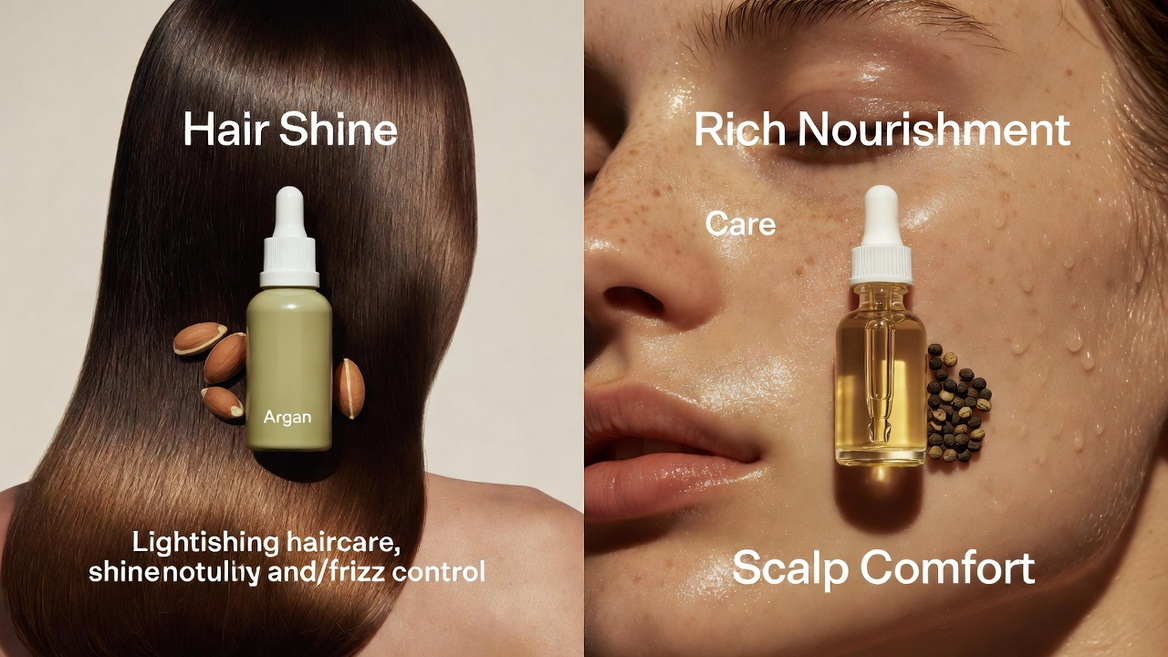
Haircare is where the difference between these two ingredients becomes especially useful.
Argan oil is often the stronger commercial choice when the brand wants to emphasize gloss, nourishment, softness, and anti-frizz styling support.
It is a strong fit for:
- Dry, coarse, or heat-styled hair
- Hair oils and finishing serums
- Hair masks and deep-conditioning concepts
- Curly and textured hair products
- Premium salon-inspired collections
- Beard oils with a luxurious finish
For example, a brand could develop an Argan Repair Hair Serum with argan oil, a lightweight ester, vitamin E, and a heat-protection-compatible conditioning system. The product story could focus on improving the look of dry ends, enhancing shine, and reducing the appearance of frizz.
Jojoba oil may be the better option for a product built around scalp comfort, lightweight conditioning, or multi-use grooming.
It is a strong fit for:
- Fine or easily weighed-down hair
- Scalp oils
- Pre-shampoo treatments
- Lightweight beard oils
- Everyday hair and scalp products
- Minimalist, fragrance-free, or unisex collections
For example, a Jojoba Scalp Reset Oil can combine jojoba oil with carefully selected lightweight emollients and a low-irritation fragrance-free design. The product can be positioned as a pre-wash massage oil for consumers who want a less heavy scalp-care experience.
From an OEM/ODM formulation perspective, the most commercially effective answer is often not "argan oil or jojoba oil." It is argan oil plus jojoba oil, used at intentional levels within a balanced formulation.
A blend can combine the strengths of both ingredients:
- Jojoba oil can improve spreadability and create a lighter application experience.
- Argan oil can add a premium nourishment story and richer conditioning profile.
- The blend can support stronger ingredient storytelling on the front label and product page.
- It can appeal to consumers looking for both lightweight care and botanical richness.
- It can create differentiation from single-oil competitor products.
Product name: Argan & Jojoba Barrier Comfort Facial Oil
Target user: Consumers with normal, dry, combination, or seasonally dehydrated skin.
Core formula direction:
- Jojoba oil for lightweight slip
- Argan oil for nourishment and sensory richness
- Squalane for fast absorption
- Tocopherol for antioxidant support in the oil phase
- Optional bisabolol or oil-soluble soothing ingredients
- Low-allergen or fragrance-free version for broader market suitability
Brand message direction: A lightweight botanical facial oil designed to soften dry-feeling skin while leaving a comfortable, non-heavy finish.
This type of hybrid concept can give a beauty brand more flexibility than choosing one oil as the entire hero ingredient.
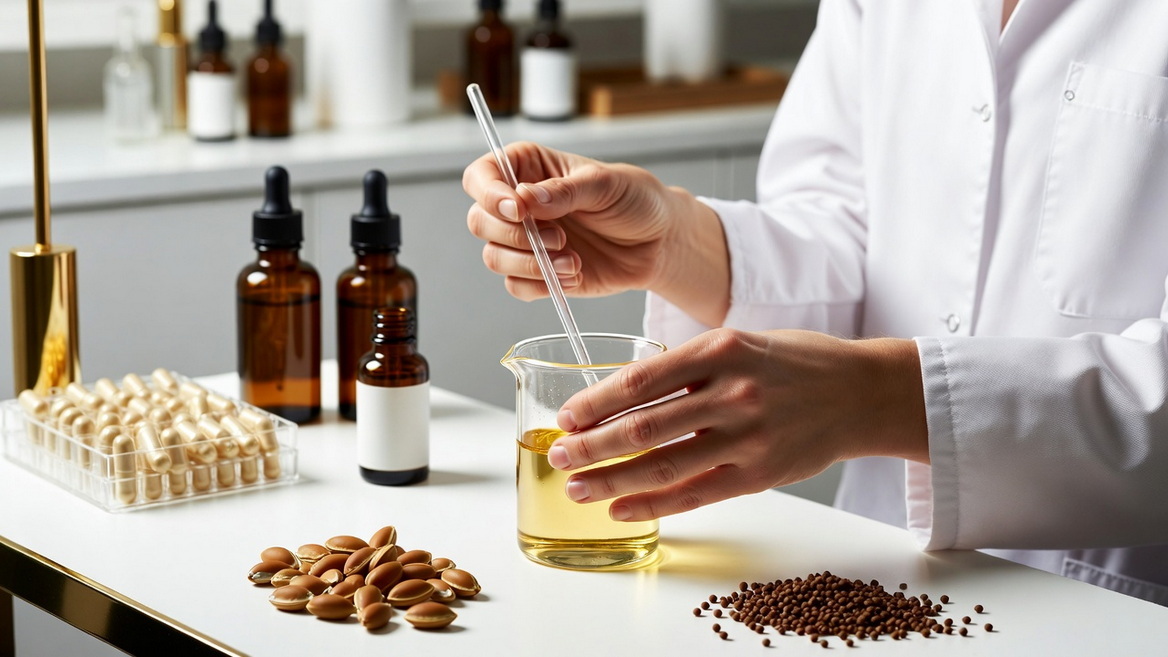
Before choosing argan oil, jojoba oil, or both, ask these six formulation questions.
1. What is the main product format?
Facial oil, cream, cleanser, hair serum, mask, body oil, beard oil, and scalp treatment each require different sensory performance.
2. Who is the target consumer?
Consider skin type, hair type, climate, routine complexity, price sensitivity, and regional preference.
3. What should the product feel like?
Decide whether the goal is dry-touch, silky, rich, cushiony, fast-absorbing, glossy, or protective.
4. What is the product's main story?
Argan oil supports premium nourishment and haircare heritage. Jojoba oil supports lightweight balance, versatility, and skin-friendly simplicity.
5. Which packaging is appropriate?
Facial oils often work well in UV-protective glass bottles with droppers or pumps. Hair oils may need pumps for controlled application. Formula viscosity and consumer use behavior should guide packaging selection.
6. What testing is needed before launch?
A responsible launch process includes stability testing, packaging compatibility testing, microbiological evaluation where applicable, ingredient documentation, and market-specific compliance review.
Ingredient selection is only the beginning. The quality of a finished argan oil or jojoba oil product depends on how the entire supply chain and manufacturing process are managed.
A professional manufacturing partner should assess:
- Raw-material identity and supplier documentation
- Color, odor, and sensory consistency
- Oxidative stability
- Formula compatibility with fragrances and active ingredients
- Batch-to-batch consistency
- Packaging interaction
- Filling performance
- Finished-product specifications
- Required market documentation
For oil-based products, oxidative stability deserves special attention. While both oils can be used in stable formulations, product developers should still select appropriate packaging, consider antioxidants such as tocopherol where suitable, and run stability protocols that reflect real transport and storage conditions.
At GUANGZHOU LAIMEI CREATIVE RESEARCH INTELLIGENT BIOLOGICAL RESEARCH CO., LTD., product development can move from concept to finished product through formula research, sample development, packaging design, pilot production, quality control, and large-scale manufacturing. Our GMP-standard facility supports production across skincare and cosmetics categories, including cleansers, serums, moisturizers, masks, and customized oil-based care products.
Choose argan oil when your product needs a more luxurious, nourishing, shine-enhancing, and haircare-oriented profile.
Choose jojoba oil when your product needs a lightweight, smooth, scalp-friendly, or everyday facial-care identity.
Choose both oils when you want to create a balanced, premium, multi-benefit formula that combines elegant texture with botanical richness.
For many beauty brands, an argan-and-jojoba blend offers the strongest commercial opportunity. It gives formulators greater control over sensory performance while giving marketing teams a clear and appealing ingredient story.
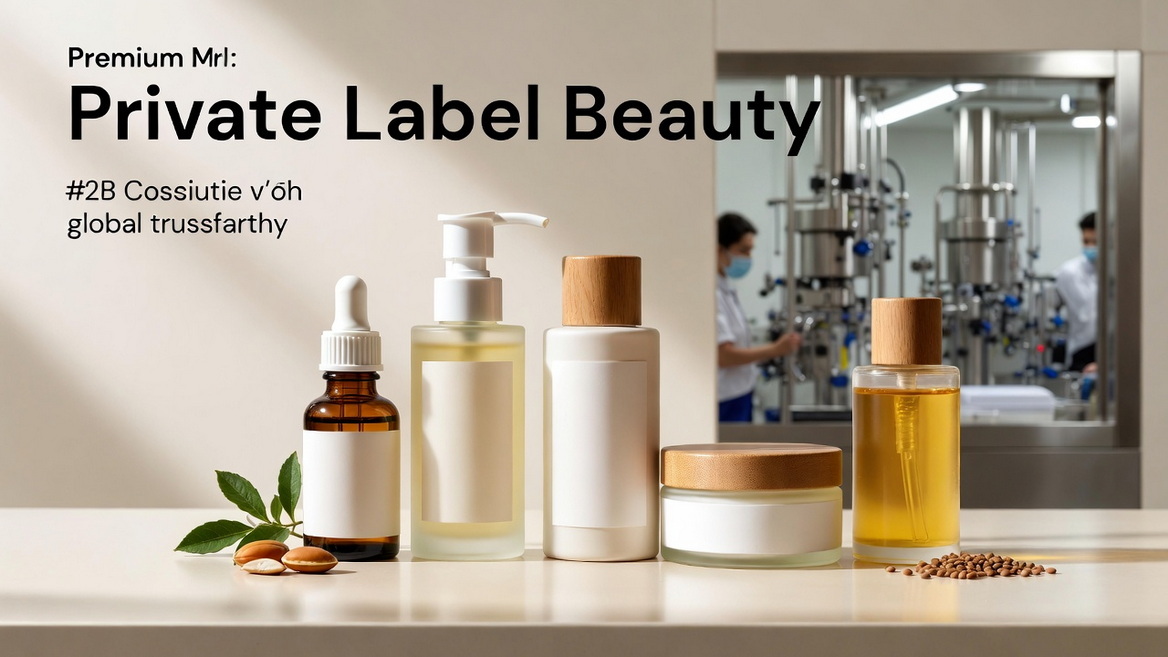
If you are developing a private-label facial oil, hair serum, scalp treatment, body oil, or botanical moisturizer, work with a manufacturing team that can translate ingredient trends into stable, scalable, and market-ready formulas. GUANGZHOU LAIMEI CREATIVE RESEARCH INTELLIGENT BIOLOGICAL RESEARCH CO., LTD. provides one-stop OEM/ODM support for custom formulation, packaging development, production, and quality-focused delivery for global beauty brands.
Neither is universally better. Argan oil is often preferred for a richer and more nourishing facial-oil experience, while jojoba oil is frequently selected for lightweight, smooth, everyday facial-care formulas. A blend can provide a balanced result.
Jojoba oil is commonly called an oil, but chemically it is mainly a liquid wax ester. This composition contributes to its lightweight texture and makes it useful in facial oils, scalp treatments, cleansing oils, and conditioning products. [pubmed.ncbi.nlm.nih]
Argan oil is usually the stronger starting point for dry-looking, dull, coarse, or frizz-prone hair because it gives a richer conditioning and shine-focused experience. Jojoba oil can be useful when a lighter scalp or hair treatment is needed.
Yes. Combining argan oil and jojoba oil is a practical way to balance rich nourishment with lightweight spreadability. This approach is suitable for facial oils, beard oils, body oils, hair serums, and scalp treatments.
Yes. Jojoba oil is often used in oil-cleansing concepts because it provides smooth slip and a refined skin feel. The final cleansing performance will depend on the full formula, especially the emulsifier system used to help the product rinse cleanly.
Cosmetic safety depends on the finished formula, usage level, product type, purity, manufacturing controls, and the user's individual sensitivities. The available safety assessment for jojoba oil and jojoba wax concluded they are safe for cosmetic use based on the reviewed data. Users should patch test new products and discontinue use if irritation occurs. [journals.sagepub]
Argan oil is often the more recognizable premium hero ingredient for a hair serum, especially when the product focuses on shine, softness, and frizz control. Adding jojoba oil or lightweight esters can improve spreadability and reduce a heavy after-feel.
1. RainShadow Labs. "[Argan Oil vs Jojoba Oil]." Accessed September 20, 2026.
2. Göllüce, A., et al. "[A Comprehensive Review of Plant-Based Cosmetic Oils: Chemical and Biological Properties and Their Cosmeceutical Applications]." *ACS Omega*, 2024. [pubmed.ncbi.nlm.nih]
3. Cosmetic Ingredient Review. "[Simmondsia Chinensis (Jojoba) Seed Oil]." Accessed September 20, 2026. [cir-safety]
4. Cosmetic Ingredient Review Expert Panel. "[Final Report on the Safety Assessment of Jojoba Oil and Jojoba Wax]." *International Journal of Toxicology*. [journals.sagepub]
5. Cosmetic Ingredient Review. "[CIR Reports and Ingredient Safety Assessments]." Accessed September 20, 2026. [cir-reports.cir-safety]
6. American Chemical Society. "[A Comprehensive Review of Plant-Based Cosmetic Oils]." *ACS Omega*, 2024. [pubs.acs]


