
Views: 261 Author: Vera Publish Time: 2026-10-08 Origin: Site


Content Menu
● Dry vs. Dehydrated Skin: What Is the Difference?
● 4 Signs of Dehydrated Skin to Recognize
>> 1. Tightness, Itching, or Fine Flaking
>> 2. Increased Sensitivity or Stinging
>> 3. A Dull or Uneven-Looking Surface
>> 4. More Noticeable Fine Surface Lines
● What Causes Dehydrated Skin?
● How to Fix Dehydrated Skin: A Simple Daily Routine
>> Step 1: Cleanse Gently With Lukewarm Water
>> Step 2: Add a Hydrating Product if Needed
>> Step 3: Follow With a Suitable Moisturizer
>> Step 4: Protect Your Skin During the Day
>> Step 5: Reduce Irritating Extras
● Which Ingredients Help Dehydrated Skin?
● A Two-Week Hydration Observation Plan
>> Days 1–3: Simplify and Record
>> Days 4–7: Adjust One Variable
>> Days 8–14: Review the Pattern
● Does Drinking Water or Avoiding Coffee Help?
● How Skincare Brands Can Develop Better Hydration Products
>> Start With a Specific Consumer Brief
>> Evaluate the Finished Formula
>> Build a Coordinated Product Range With LAIMEI
● Frequently Asked Questions About Dehydrated Skin
>> Can Oily Skin Be Dehydrated?
>> Is Hyaluronic Acid Enough on Its Own?
>> Should I Exfoliate Flaky Skin?
>> How Quickly Will Dehydrated Skin Improve?
>> Do I Need a Serum and an Essence?
>> When Should I See a Dermatologist?
● Build a Hydration Routine That Works
Dehydrated skin can feel tight after cleansing, look dull by lunchtime, and show fine lines that seem more noticeable than usual. Surprisingly, it can also look oily. Recognizing the signs of dehydrated skin helps you build a routine that restores comfort without overwhelming your complexion.
The solution is not simply another serum or more drinking water. Effective care combines gentle cleansing, water-binding ingredients, and a moisturizer that limits moisture loss.
From a formulation perspective, the most useful question is not "Which ingredient is trending?" but "Does this routine help skin attract and retain water?"
This guide explains how to recognize dehydration, choose suitable products, and develop a practical routine. It also explores what skincare brands should consider when creating hydration-focused products.
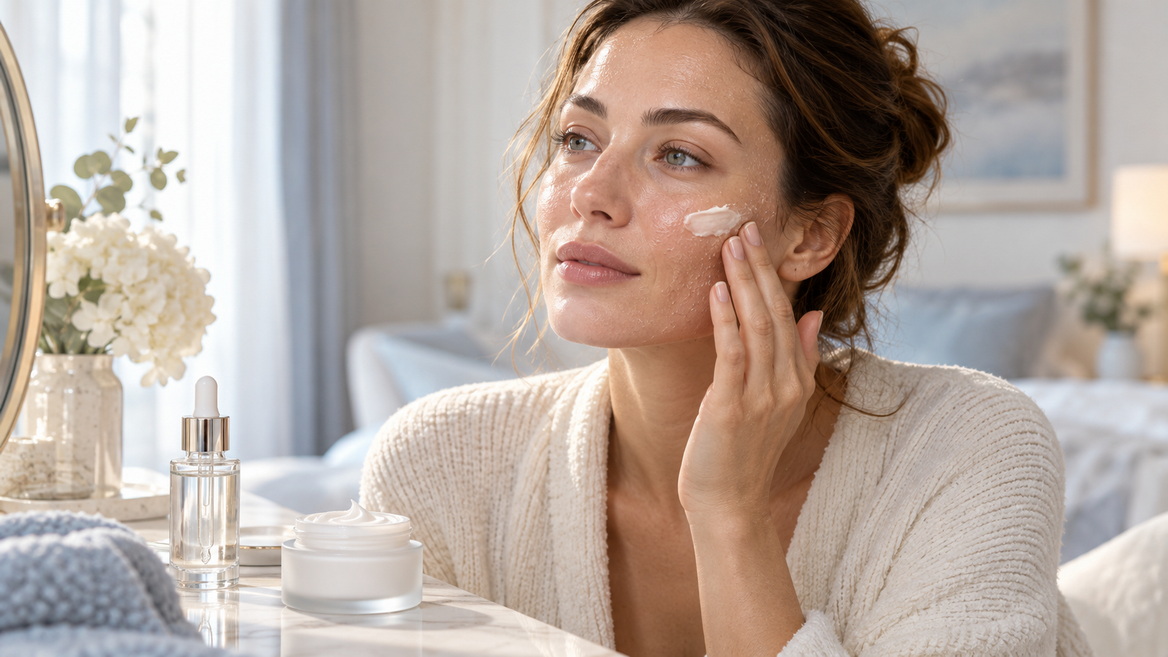
Dehydrated skin generally describes insufficient water in the outermost skin layer, called the stratum corneum. This layer helps maintain a smooth surface and provides an important protective barrier.
Its structure is often compared to bricks and mortar: skin cells form the bricks, while surrounding lipids help hold the barrier together. When this system is disrupted, moisture can escape more readily.
That outward movement of water is called transepidermal water loss, or TEWL. It is a normal process, but excessive loss can accompany impaired barrier function.
Dehydration is not a separate diagnosis that explains every episode of redness or itching. Similar symptoms can occur with eczema, contact dermatitis, or other conditions. Understanding this distinction prevents unnecessary product experimentation.
The familiar distinction is that dry skin lacks oil while dehydrated skin lacks water. This is useful shorthand, but real skin is more complicated.
Dry skin often involves both reduced moisture and changes in barrier lipids. It may reflect your usual skin characteristics, environmental exposure, or an underlying condition. Dehydration can occur alongside dry, oily, or combination skin.
| Feature | Dry Skin | Dehydrated Skin |
|---|---|---|
| Main concern | Persistent dryness and insufficient moisture retention | Reduced water content in the outer skin layer |
| Surface appearance | Often rough, flaky, or less oily | May look dull, flaky, shiny, or uneven |
| Typical sensation | Ongoing dryness or itching | Tightness, especially after cleansing |
| Can oiliness occur? | Usually less prominent | Yes, including in the T-zone |
| Care priority | Consistent moisturizing and barrier support | Hydration plus prevention of moisture loss |
These categories overlap. Instead of forcing your skin into one label, pay attention to how it feels, which products irritate it, and whether symptoms improve with gentler care.
A tight feeling after washing is a useful warning that your cleansing routine may be too drying.
Fine flakes can appear around the cheeks, mouth, or nose. Your face may feel uncomfortable even when the forehead remains shiny.
However, itching and flaking are not specific to dehydration. Persistent symptoms, especially with a rash, deserve professional assessment.
Products that previously felt comfortable may suddenly sting. This can happen when the skin barrier is irritated or compromised.
Review recent changes before buying more products:
- Did you introduce an exfoliating acid?
- Are you using a retinoid more frequently?
- Have you started double cleansing every evening?
- Did you switch to a fragranced moisturizer?
Repeated burning is not evidence that a product is working. Stop using products that cause persistent irritation and simplify your routine.
Insufficient surface hydration can make skin look rougher and less reflective. Makeup may cling to flakes or appear patchy.
Dullness has many possible causes, so appearance alone cannot confirm dehydration. Look for a combination of changes, such as dullness alongside tightness or discomfort.
The first response should usually be gentler care, not aggressive exfoliation.
Fine lines may become more visible when the outer skin layer is poorly hydrated. Moisturizing can temporarily soften their appearance by improving surface hydration.
These lines are not the same as deeper wrinkles caused by aging or sun exposure. Hydrating products cannot erase every wrinkle.
A cheek pinch test is also not a reliable diagnosis. Skin elasticity, age, and other factors affect how pinched skin looks.
Several everyday factors can contribute to moisture loss or irritation:
- Cold weather, wind, and low indoor humidity.
- Long, hot showers or repeated exposure to hot water.
- Cleansers that leave the face feeling stripped.
- Frequent scrubbing or overuse of exfoliating products.
- Irritation from an unsuitable product.
- Inconsistent moisturizing.
A common mistake is interpreting shine as proof that moisturizer is unnecessary. Oiliness and water content are different characteristics. An oily complexion can still need hydration and barrier support.
Equally, a long routine is not automatically better. Several individually useful products can become irritating when layered too frequently.
The priority is consistency, not the number of products on your bathroom shelf.
Choose a gentle cleanser that removes sunscreen, makeup, and daily impurities without leaving prolonged tightness.
Avoid vigorous rubbing and abrasive cleansing tools while your skin feels irritated. Pat rather than scrub with a towel.
For a second evening cleanse, consider whether it is actually necessary. Heavy makeup or water-resistant products may require thorough removal, but repeated cleansing should not leave your face uncomfortable.
A serum can be helpful, but it is optional. A well-formulated moisturizer may already provide enough hydration.
Useful humectants include glycerin, hyaluronic acid, and panthenol. These ingredients help attract or bind water within the skin's outer layer.
Apply products according to their instructions. Slightly damp skin can be useful for moisturizing, but soaking-wet application is not a universal requirement for every formula.
Hydration works best when water-binding ingredients are supported by ingredients that soften skin and reduce evaporation.
Choose texture according to comfort:
- Oily skin may prefer a lightweight lotion.
- Dry skin may benefit from a richer cream.
- Particularly dry areas may need a more protective ointment.
- Sensitive skin often benefits from fragrance-free options.
A heavier texture is not automatically more effective for everyone. The best choice is one you tolerate and use regularly.
Use a broad-spectrum, water-resistant sunscreen with SPF 30 or higher, alongside shade and protective clothing.
Choose a formula you can apply comfortably and follow its reapplication directions. Sunscreen is part of long-term skin protection, not a replacement for moisturizer.
During a period of discomfort, pause abrasive scrubs and unnecessary exfoliating products.
If a prescribed treatment causes irritation, ask the prescribing clinician how to adjust it rather than independently abandoning treatment.
Once your skin feels comfortable, reintroduce optional products gradually. Changing everything at once makes it harder to identify a problem.
A balanced formula typically combines several functions.
| Ingredient Group | Examples | Main Role |
|---|---|---|
| Humectants | Glycerin, hyaluronic acid, panthenol | Attract or bind water |
| Emollients | Squalane, fatty acids, selected oils | Soften and smooth the surface |
| Occlusives | Petrolatum, dimethicone | Help reduce evaporative water loss |
| Barrier-supporting lipids | Ceramides, cholesterol, fatty acids | Support the skin's lipid structure |
These categories overlap. An ingredient may contribute more than one benefit, and performance depends on the complete formula.
Hyaluronic acid is useful, but it is not the only effective humectant. A straightforward glycerin-containing moisturizer can also be valuable.
Likewise, natural origin does not guarantee gentleness. Botanical extracts and essential oils can irritate some people. Judge products by their composition, tolerability, and supporting evidence rather than a single marketing label.
This is a practical observation framework, not a promise that every skin concern resolves within fourteen days.
Keep the routine focused on a gentle cleanser, moisturizer, and daytime sunscreen.
Record:
1. Tightness after washing.
2. Stinging during application.
3. Visible flaking.
4. Comfort later in the day.
Use simple ratings from zero to ten. These are personal observations, not clinical measurements.
If your face still feels tight, reconsider cleansing intensity or moisturizer texture.
Change only one product or habit at a time. For example, replace a drying cleanser before adding several new serums.
If a humidifier helps counter dry indoor air, clean it regularly according to the manufacturer's instructions.
Look for improved comfort and reduced flaking rather than demanding a dramatic transformation.
Take photographs under similar lighting if you want a visual record. Different lighting can exaggerate apparent changes.
If symptoms persist, worsen, or recur despite gentle care, seek professional advice. Continuing to experiment can delay identification of an underlying problem.
Adequate fluid intake supports overall health, but drinking extra water is not a substitute for topical moisturizing.
Skin discomfort can persist even when your general hydration is adequate because the outer barrier is not retaining moisture effectively.
Coffee also deserves a more balanced explanation. Although caffeine can increase urine production, typical caffeinated drinks generally contribute to fluid intake rather than automatically causing dehydration.
You do not necessarily need to eliminate your morning coffee to improve your complexion. Focus on adequate fluids, comfortable skincare, and avoiding habits that consistently worsen your symptoms.
For brands, dehydration creates a clear development opportunity: products that make daily care comfortable, understandable, and easy to maintain.
Define the intended user before choosing ingredients.
A lightweight serum for oily skin and a rich cream for persistently dry skin may share a hydration objective but require different textures and supporting ingredients.
Specify:
- Target consumer and climate.
- Desired texture and finish.
- Fragrance preferences.
- Packaging format.
- Intended claims and price positioning.
Consumer feedback should inform development, but authentic comments must be distinguished from measured results. "My skin feels softer" does not establish a quantified improvement in barrier function.
Ingredient research cannot prove that every finished product provides the same result.
Useful evaluation methods include:
- Corneometry to assess changes in surface hydration.
- TEWL measurement to evaluate water loss.
- Consumer questionnaires to assess comfort and usability.
- Stability, microbiological, and packaging-compatibility testing.
A hydration measurement and a satisfaction rating answer different questions. Keeping them separate supports clearer product communication.
Claims such as "24-hour hydration" require testing that matches the stated duration and conditions. A pleasant first application is not enough.
GUANGZHOU LAIMEI CREATIVE RESEARCH INTELLIGENT BIOLOGICAL RESEARCH CO., LTD. provides one-stop OEM/ODM support spanning formulation development, packaging design, and manufacturing.
According to company-supplied information, LAIMEI brings 13 years of skincare and cosmetics manufacturing experience, operates a 20,000-square-meter production base, and reports annual capacity exceeding 50 million units. Its portfolio includes cleansers, serums, moisturizers, and masks, with products supplied to more than 100 countries and regions.
Its reported development network includes dermatologists, technical engineers, and affiliated laboratory professionals. For prospective partners, the practical next step is reviewing relevant documentation, sample performance, and project-specific testing.
Facility registration should never be confused with product approval. Certifications and registration records should be checked for scope, validity, and relevance to the intended market.

Yes. Surface oil does not tell you how much water the outer skin layer contains. Choose a comfortable moisturizer rather than repeatedly stripping away oil.
Not always. It helps bind water, but many routines benefit from a moisturizer that also softens skin and limits evaporation.
Avoid scrubbing irritated flakes. Start with gentle cleansing and moisturizing. Persistent flaking may require assessment rather than stronger exfoliation.
Comfort may improve before appearance changes, but timing varies. There is no universal recovery deadline. Persistent or worsening symptoms warrant professional advice.
No. Both are optional. A simple routine with a suitable moisturizer may meet your needs without additional layers.
Seek assessment for persistent itching, painful cracks, bleeding, a spreading rash, or symptoms that do not improve with gentle care. Marked swelling or a severe reaction needs prompt medical attention.
For individuals, begin with fewer products, gentler cleansing, and consistent moisturizing.
For skincare brands, build around a defined consumer need and verify performance in the finished formula. Contact LAIMEI with your target market, preferred texture, packaging requirements, and planned order quantity to discuss a customized cleanser, serum, or moisturizer development project.
1. [Eminence Organic Skin Care — "Signs Your Skin Is Dehydrated & How To Fix It"]. Written by Christie Pike; updated by Thea Christie, May 6, 2026. Original article used as the topical starting point for the reconstruction, not as evidence of LAIMEI product performance. [eminenceorganics]
2. [American Academy of Dermatology — "Dermatologists' Top Tips for Relieving Dry Skin"]. Supports gentle cleansing, moisturizing damp skin, fragrance-free care, humidifier hygiene, and broad-spectrum SPF 30 or higher protection. [aad]
3. [American Academy of Dermatology — "Dry Skin: Diagnosis and Treatment"]. Supports individualized moisturizer selection and evaluation for underlying conditions when dryness persists. [aad]
4. [American Academy of Dermatology — "Dry Skin: Overview"]. Supports the role of creams and ointments in managing pronounced dryness. [aad]
5. [Mayo Clinic — "Caffeine: Is It Dehydrating or Not?"]. Supports the distinction between caffeine's diuretic effect and the net contribution of typical caffeinated drinks to fluid intake. [mayoclinic]
6. ["Clinical Measurement of Transepidermal Water Loss" — PubMed Central]. Published in 2025. Supports discussion of TEWL, barrier function, moisturizer categories, and instrumental assessment. [pmc.ncbi.nlm.nih]
7. ["Skin Hydration Is Significantly Increased by a Cream Formulated to Mimic the Skin's Own Natural Moisturizing Systems" — Clinical, Cosmetic and Investigational Dermatology]. Published in 2018. Provides finished-formula evidence involving corneometry and TEWL; its results should not be generalized to untested LAIMEI products. [dovepress]
8. [U.S. Food and Drug Administration — "Registration & Listing of Cosmetic Product Facilities and Products"]. Clarifies that cosmetic facility registration and product listing do not indicate approval of a facility or its products. [fda]


